
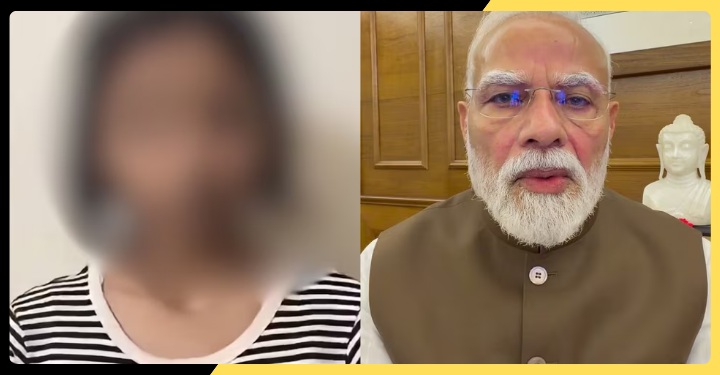
A controversy involving a 15-year-old boy from Noida has sparked widespread discussion across India after a video allegedly showing him using abusive language against Prime Minister Narendra Modi went viral on social media. The incident quickly drew attention from political leaders, law enforcement agencies, legal experts, educators, and millions of internet users. Within hours of the video circulating online, the teenager became the subject of intense public scrutiny, prompting him to issue a heartfelt apology to the nation.
In a separate video that surfaced after the backlash, the teenager appeared visibly emotional as he folded his hands and sought forgiveness. Addressing the people of India, he said, “I am sorry to the entire nation. I am only 15 years old. I made a mistake. Please forgive me.” The apology video itself rapidly spread across digital platforms, generating fresh debate about whether the young boy deserved another chance or should face legal consequences for his actions.
The original video allegedly contained offensive remarks directed at Prime Minister Narendra Modi. As users shared the clip across platforms such as X, Instagram, Facebook, and WhatsApp, the controversy gained momentum. Political supporters criticized the language used in the video, calling it disrespectful toward the country’s elected leader. Others urged people not to judge a minor too harshly, emphasizing that adolescence is a period when individuals often make impulsive decisions.
According to reports, local authorities became aware of the matter after complaints were filed regarding the viral clip. Since the individual involved is a juvenile, any legal process would be governed by the Juvenile Justice (Care and Protection of Children) Act. Indian law treats minors differently from adults, focusing primarily on rehabilitation, counseling, and education instead of punishment.
Legal experts noted that while India’s Constitution protects freedom of speech under Article 19(1)(a), the right is not absolute. Expressions that are considered defamatory, promote hatred, or disturb public order may invite legal action. At the same time, experts stressed that minors are generally handled with greater sensitivity, as the objective of juvenile justice is to reform rather than punish.
The teenager’s apology has divided public opinion. Many people appreciated his willingness to publicly acknowledge his mistake. They argued that admitting wrongdoing at such a young age demonstrates maturity and provides an opportunity for learning. Others remained skeptical, suggesting that the apology may have been influenced by the widespread criticism and possible legal implications rather than genuine remorse.
The controversy has also reignited discussions about the growing influence of social media on young people. Experts believe many teenagers often create provocative content without fully understanding its consequences. The desire to gain popularity, attract followers, or participate in online trends sometimes leads adolescents to post material that later results in significant personal and legal challenges.
Child psychologists explain that teenagers are still developing emotionally and cognitively. Their decision-making abilities are not yet fully mature, making them more vulnerable to peer pressure and impulsive behavior. While this does not excuse inappropriate conduct, specialists believe education and counseling are often more effective than severe punishment in preventing future mistakes.
Teachers and education professionals have used the incident to emphasize the importance of digital literacy. They argue that schools should include lessons on responsible social media usage, respectful communication, cyber ethics, and the legal consequences of online misconduct. In an era where smartphones are accessible to millions of children, understanding digital responsibility has become as important as traditional academic subjects.
The incident also demonstrates the extraordinary speed with which information spreads online. A video recorded by one teenager in Noida reached millions of viewers within a matter of hours, triggering nationwide discussions across television channels, digital news platforms, and social media. This rapid spread illustrates both the power and the risks associated with today’s interconnected digital environment.
Political observers note that social media has become a powerful platform for political expression, but it has also increased the likelihood that controversial content will receive immediate national attention. Viral posts often generate emotional reactions before facts are fully verified, making responsible online behavior even more important.
Parents have also joined the conversation, stressing the need to supervise children’s online activities. Many believe that regular discussions about internet safety, respectful speech, and responsible content creation should begin at home. Since digital footprints can remain online indefinitely, one impulsive decision may have long-lasting effects on education, employment, and personal reputation.
Law enforcement officials are expected to approach the case in accordance with juvenile justice principles. Authorities typically avoid disclosing the identities of minors and prioritize rehabilitation wherever possible. If counseling or corrective measures are recommended, they may serve as an opportunity for the teenager to better understand the consequences of his actions.
Meanwhile, social media continues to witness polarized reactions. Some users insist that insulting public representatives should never be tolerated, regardless of age, while others argue that forgiveness and guidance are more appropriate when dealing with children. The debate reflects broader questions about balancing accountability with compassion.
The Noida teenager’s apology has become more than just an individual act of regret. It has evolved into a national discussion about responsible speech, digital citizenship, parental guidance, and the role of social media in shaping public discourse. The case serves as a reminder that every online post carries consequences, particularly in an age when content can become viral within minutes.
Whether viewed as a lesson in accountability or an example of youthful immaturity, the incident underscores the importance of respectful communication in public life. As India continues to navigate the opportunities and challenges of the digital era, the story is likely to remain a reference point in conversations about online responsibility, juvenile conduct, and the impact of social media on modern society.
Journalist Details

- Jitendra Kumar is an Indian journalist and social activist from Hathras in Uttar Pradesh is known as the senior journalist and founder of Xpert Times Network Private Limited.
Latest entries
 Crime NewsOctober 13, 2026Hyderabad Police Investigate Suspicious Death of 29-Year-Old Software Engineer
 World NewsOctober 11, 2026Hydropower Project and Bridges Damaged as Nepal Floodwaters Surge
 Latest NewsOctober 10, 2026Delhi on High Alert as CJP Protest Draws Attention to Electoral Roll Revision Controversy
 Latest NewsOctober 8, 2026Fresh FIRs Against Rahul and Priyanka Gandhi Add Fuel to Escalating SIR Protests