
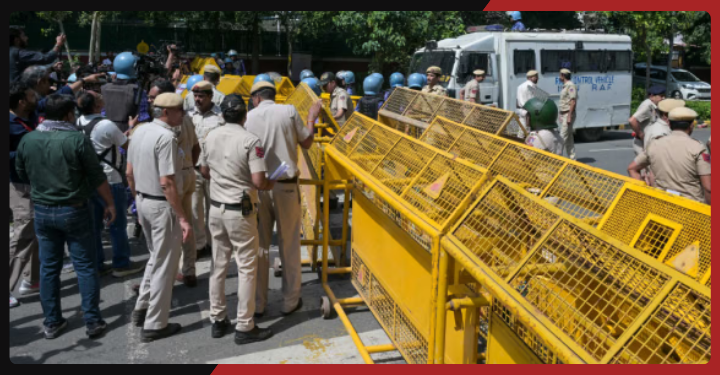
New Delhi, October 10, 2026: Delhi was placed under heightened security ahead of a planned demonstration by the Cockroach Janta Party (CJP) and associated activist groups against Chief Election Commissioner Gyanesh Kumar. The protest brought renewed attention to the controversy surrounding the Special Intensive Revision (SIR) of electoral rolls and the demands for greater transparency in the electoral process.
Authorities prepared for a possible influx of demonstrators at Jantar Mantar, one of the capital’s established protest locations. Police personnel, barricades and surveillance arrangements were deployed at key points as officials sought to prevent disruption and maintain public order.
What Is the Electoral Roll Revision Dispute?
Electoral rolls contain the names of eligible voters and are periodically updated to reflect changes such as new registrations, deaths, relocations and corrections to existing entries.
The Special Intensive Revision has become politically contentious because opposition groups and activists have raised concerns about possible deletions and the treatment of voters whose details require verification.
The protesters argue that eligible citizens must not lose their voting rights because of administrative errors or difficulties in completing verification procedures. They want the Election Commission to provide clear information about changes to voter lists and the mechanisms available to challenge incorrect entries.
These concerns remain allegations raised by political and civic groups. Establishing whether any particular deletion was improper requires examination of the relevant electoral records and the procedures followed in individual cases.
CJP Calls for Accountability
The CJP-led demonstration was intended to bring the dispute into the public spotlight. Its demands included the resignation of CEC Gyanesh Kumar and a stronger response to questions about the revision process.
The protest reflects a broader disagreement about the responsibilities of an independent election authority. Critics argue that public confidence depends on transparency, accessible complaint procedures and consistent treatment of voters.
The Election Commission’s explanations and the available evidence are essential to assessing those claims fairly. Political criticism alone cannot establish wrongdoing, but a transparent process can help citizens understand how electoral decisions are made.
Why Was Security So Extensive?
Delhi Police prepared for the demonstration amid concerns about unauthorised gatherings, congestion and possible confrontations between protesters and security personnel.
Media reports described a substantial deployment of police and paramilitary forces, along with restrictions affecting transport and movement in central Delhi. Some metro stations faced access restrictions, while traffic diversions and changes to train services were also reported.
These arrangements were intended to manage the anticipated crowds. However, they also created practical difficulties for commuters and travellers, making official transport advisories particularly important.
The reported detention of YouTuber Dhruv Rathee ahead of the demonstration added another dimension to the story. The available reporting did not establish all the legal circumstances surrounding his detention, making official clarification important.
The Cost of Transport Disruptions
When security restrictions affect metro stations, roads and rail services, the consequences extend beyond demonstrators. Passengers may need additional travel time, employers may face attendance difficulties, and businesses may experience reduced customer movement.
Clear, timely public information can help reduce these problems. Authorities can also assist commuters by communicating which routes remain accessible and when restrictions are expected to end.
The Importance of Transparent Electoral Procedures
The controversy demonstrates how electoral administration can become a major public issue when citizens question whether voter-registration systems are fair and reliable.
Accessible correction procedures, clear explanations for deletions and timely grievance resolution can help eligible voters protect their registration status. Public reporting should also distinguish confirmed cases from broader claims that have not been independently verified.
The demonstration in Delhi therefore raises two connected issues: how authorities should manage large protests and how electoral institutions should respond when their procedures face public scrutiny.
The coming days may bring further demands for clarification from activists and political organisations. The most constructive response would involve verifiable information, transparent procedures and a clear explanation of the safeguards available to voters.
Journalist Details

- Jitendra Kumar is an Indian journalist and social activist from Hathras in Uttar Pradesh is known as the senior journalist and founder of Xpert Times Network Private Limited.
Latest entries
 Latest NewsOctober 10, 2026Delhi on High Alert as CJP Protest Draws Attention to Electoral Roll Revision Controversy
 Latest NewsOctober 8, 2026Fresh FIRs Against Rahul and Priyanka Gandhi Add Fuel to Escalating SIR Protests
 NewsOctober 7, 2026Rahul Gandhi, Priyanka Gandhi Among Opposition Leaders Detained After Delhi Protest
 SportsOctober 6, 2026Smriti Mandhana Emerges as Leading Contender as India Searches for Harmanpreet Kaur’s Successor