
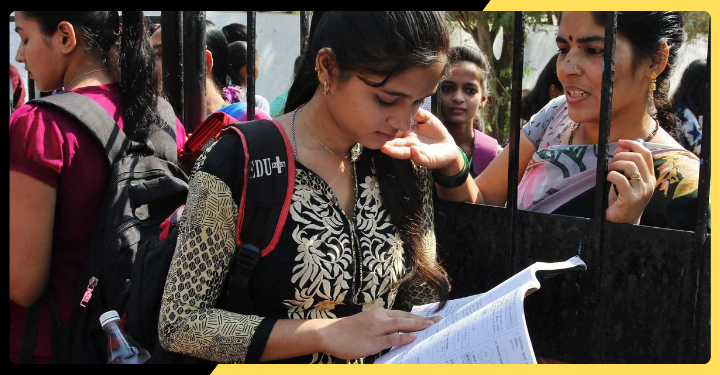
Thousands of students across India are demanding reassessment of their examination papers following reports of alleged evaluation mistakes in several key academic and competitive examinations. The growing dissatisfaction has sparked a nationwide debate about the accuracy of marking systems, transparency in the evaluation process, and the need for stronger safeguards to protect students’ academic futures.
The issue came to public attention shortly after examination results were released by various educational boards, universities, and testing agencies. Students who had expected strong performances based on their preparation and previous academic records found themselves receiving marks that they believed did not accurately reflect their efforts. As complaints increased, calls for reassessment gained momentum across social media platforms and educational forums.
Many students claim that errors occurred during the evaluation process. Some allege that correct answers were not awarded appropriate marks, while others believe certain sections of their answer sheets were either overlooked or incompletely assessed. Reports of discrepancies in total score calculations have further intensified concerns among candidates who fear that administrative mistakes may have affected their final results.
In several cases, students who applied for re-evaluation or score verification reportedly received revised marks after review. These outcomes have encouraged more candidates to request reassessment, arguing that such corrections suggest the possibility of broader issues within the evaluation system. Student groups contend that if errors can be identified after appeals, examination authorities should consider implementing more rigorous verification procedures before publishing results.
The demand for reassessment is particularly significant because examination scores play a crucial role in determining academic and professional opportunities. Admissions to universities, scholarships, specialized courses, and competitive programs often depend on small differences in marks. As a result, even minor evaluation mistakes can have far-reaching consequences for students seeking to secure their preferred educational pathways.
Parents have strongly supported the reassessment movement. Many families invest years of effort and substantial financial resources in preparing students for important examinations. Coaching programs, private tutoring, study materials, and examination fees represent major commitments. When students receive unexpected results, families often feel compelled to seek clarification and challenge outcomes they believe may be inaccurate.
Educational experts acknowledge that evaluating millions of examination papers is a complex task. Large-scale assessment systems rely on extensive networks of examiners working within tight deadlines. While quality-control measures are generally designed to maintain consistency, specialists note that human error remains a possibility in any large operation. Consequently, they emphasize the importance of transparent review mechanisms that allow students to challenge results when concerns arise.
Student organizations have become increasingly vocal in advocating for reform. Their demands include affordable reassessment procedures, faster response times for appeals, access to evaluated answer sheets, and detailed explanations of awarded marks. Many students argue that greater transparency would help reduce uncertainty and strengthen confidence in examination outcomes.
Some advocacy groups are calling for independent audits of examination systems. According to supporters, external reviews could identify procedural weaknesses, recommend improvements, and provide reassurance that evaluation standards are being applied fairly. They believe that independent oversight would help address concerns about accountability while promoting trust among students and parents.
Examination authorities have responded by defending the integrity of their assessment processes. Officials maintain that evaluation systems include multiple levels of checking and moderation designed to ensure fairness. They also point to existing re-evaluation and verification options as evidence that mechanisms are already in place to address potential concerns.
However, critics argue that current procedures are often burdensome for students. Reassessment requests may involve fees, extensive documentation, and lengthy waiting periods. In many cases, students face critical admission deadlines while their appeals remain under review. This can create uncertainty and force candidates to make important decisions before final outcomes are known.
The controversy has also reignited discussions about broader educational reforms. Some experts argue that excessive dependence on final examinations increases the pressure associated with evaluation mistakes. They advocate for assessment systems that incorporate continuous performance reviews, coursework, projects, and practical evaluations alongside traditional examinations. Such approaches, they suggest, could reduce the impact of isolated marking errors.
Technology is frequently cited as a potential solution. Digital answer-sheet evaluation, automated score verification, and artificial intelligence-assisted quality checks could help improve accuracy while reducing administrative errors. Educational institutions are increasingly exploring technological tools that may enhance consistency and efficiency in large-scale assessments.
Beyond procedural concerns, the issue has had a significant emotional impact on students. Many describe feelings of disappointment, stress, and frustration as they seek explanations for unexpected results. For candidates whose academic futures depend on examination performance, uncertainty surrounding scores can be deeply distressing.
As demands for reassessment continue to grow, the controversy serves as a reminder of the critical role examinations play in shaping educational opportunities. Students, parents, educators, and policymakers are increasingly calling for systems that combine fairness, transparency, and accountability. Whether through reassessment reforms, technological improvements, or broader changes to educational evaluation, many believe the current debate could become a catalyst for meaningful change in India’s examination framework.
For now, thousands of students remain focused on securing reviews of their results, hoping that reassessment processes will ensure that every mark accurately reflects their knowledge, effort, and achievement.
Journalist Details

Latest entries
 Latest NewsSeptember 7, 2026Vijay Invokes Jayalalithaa’s Assembly Humiliation in Powerful Warning Against Misogyny
 World NewsSeptember 5, 2026Belgium PM Calls India a Key Partner as Europe Rethinks Global Dependencies
 World NewsSeptember 2, 2026Trump Warns Iran of Stronger Action as U.S.-Iran Conflict Explodes Again
 Latest NewsAugust 24, 2026India’s Space Startups Get PM Modi’s Backing as Government Eyes Global Leadership