
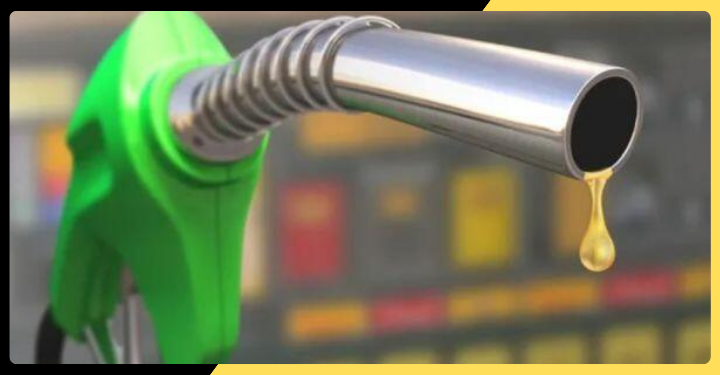
India’s decision to increase the use of ethanol-blended petrol has been welcomed as a major step toward reducing oil imports, lowering emissions, and supporting farmers. However, despite the government’s confidence in the policy, many vehicle owners remain concerned about how higher ethanol blends could affect their cars, motorcycles, and long-term maintenance costs. These concerns have become a common topic of discussion among motorists, mechanics, and automobile experts as the country moves toward wider adoption of E20 fuel.
One of the biggest worries among drivers is engine compatibility. Millions of vehicles currently on Indian roads were manufactured before higher ethanol blends became part of the national fuel policy. While newer vehicles are increasingly designed to operate efficiently with E20 petrol, older models may not have fuel systems built to withstand prolonged exposure to higher concentrations of ethanol. Owners fear that components such as rubber hoses, plastic fuel lines, seals, and gaskets could deteriorate more quickly, leading to costly repairs.
Fuel efficiency is another issue that concerns many motorists. Ethanol contains less energy per litre than pure petrol, meaning vehicles may travel slightly shorter distances on the same amount of fuel. Although the reduction in mileage is generally small, drivers who travel long distances every day often notice the difference. For taxi operators, delivery drivers, and commuters with tight monthly budgets, even a modest decline in fuel economy can increase operating costs over time.
Motorcycle owners are particularly cautious about the transition. Two-wheelers account for the majority of registered vehicles in India, and many are older models that remain in daily use. Since motorcycles are widely used for commuting, food delivery, and small business operations, owners place a high value on fuel efficiency and reliability. Some riders worry that higher ethanol blends could affect engine performance, especially in older bikes that were never designed with ethanol-compatible materials.
Maintenance costs are another source of uncertainty. Ethanol has strong cleaning properties that can remove deposits from fuel tanks and fuel lines. While this can improve engine cleanliness, it may also loosen years of accumulated dirt inside older fuel systems. As these deposits move through the fuel system, they can clog filters or injectors, requiring additional maintenance during the transition period. Mechanics often advise replacing fuel filters if symptoms such as rough idling or reduced performance appear after switching to higher ethanol blends.
There are also concerns about the way ethanol interacts with moisture. Ethanol naturally absorbs water from the atmosphere more readily than petrol. If fuel is stored for extended periods, especially in humid conditions, excessive moisture can affect fuel quality and potentially contribute to corrosion in certain components. Vehicle owners who use their cars or motorcycles infrequently are often advised to avoid storing fuel for long periods and to keep fuel tanks properly sealed.
Some motorists have reported changes in engine performance after using ethanol-blended fuel. While many drivers notice little or no difference, others mention slightly harder cold starts, reduced acceleration, or rough idling. Automotive engineers explain that these experiences can vary depending on vehicle age, engine design, maintenance history, and fuel quality. Modern engines equipped with advanced electronic fuel injection systems are generally better able to adjust automatically to ethanol blends than older carbureted engines.
Another concern involves repair costs and spare parts. Owners of older vehicles worry that if ethanol-related wear develops over time, replacement components may become more expensive or difficult to obtain. Small workshops may also have varying levels of experience diagnosing issues related to ethanol-compatible fuel systems, creating uncertainty for consumers seeking repairs.
The spread of misinformation has further complicated public understanding. Social media platforms often feature claims that ethanol-blended petrol can severely damage engines or drastically reduce mileage. While some concerns are based on genuine technical considerations, experts caution that many online claims exaggerate the risks or fail to distinguish between older and newer vehicle models. Automobile manufacturers generally recommend that owners follow the fuel specifications listed in their vehicle manuals rather than relying on unverified advice.
Despite these concerns, industry experts emphasize that the transition has been planned gradually. Automobile manufacturers have had several years to prepare vehicles for higher ethanol blends, and many new models sold in India are already certified for E20 fuel. The government has also worked with fuel companies and manufacturers to improve fuel quality standards and ensure smoother implementation.
Ultimately, the concerns expressed by vehicle owners reflect a desire for reliable information and confidence that their investments are protected. Most motorists support efforts to reduce pollution and strengthen India’s energy security, but they also want assurance that their vehicles will remain safe, efficient, and affordable to maintain. Addressing these concerns through transparent communication, technical support, and continued improvements in vehicle technology will be essential to building public trust as India continues its transition toward greater use of biofuels.
Journalist Details

Latest entries
 Latest NewsSeptember 7, 2026Vijay Invokes Jayalalithaa’s Assembly Humiliation in Powerful Warning Against Misogyny
 World NewsSeptember 5, 2026Belgium PM Calls India a Key Partner as Europe Rethinks Global Dependencies
 World NewsSeptember 2, 2026Trump Warns Iran of Stronger Action as U.S.-Iran Conflict Explodes Again
 Latest NewsAugust 24, 2026India’s Space Startups Get PM Modi’s Backing as Government Eyes Global Leadership