
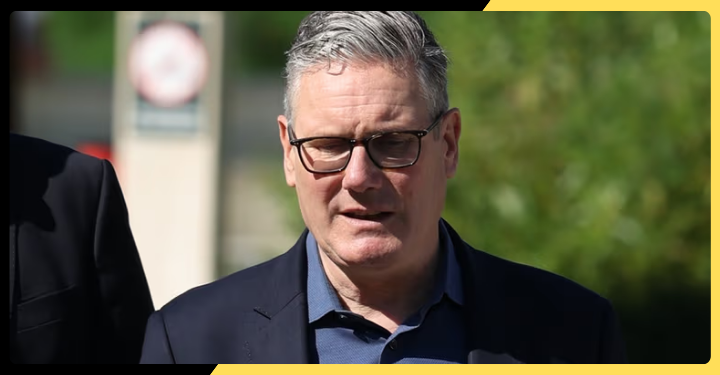
British politics has entered a period of uncertainty following the resignation of Prime Minister Keir Starmer, a move that has sent shockwaves through Westminster and beyond. The unexpected departure comes after weeks of growing speculation about internal tensions within the Labour Party and increasing pressure from lawmakers concerned about the government’s direction.
Starmer’s resignation marks one of the most significant political developments in recent years. Having led Labour through a period of transformation and electoral success, he was widely viewed as a figure capable of restoring stability after years of political turbulence. However, growing dissatisfaction among sections of his party appears to have undermined his position.
Political observers point to several factors that contributed to the crisis. Economic challenges, debates over public spending, and disagreements about policy priorities created friction within Labour ranks. Some MPs believed the government was moving too slowly on key reforms, while others feared that ambitious proposals could create financial risks. These competing viewpoints gradually exposed divisions that became increasingly difficult to manage.
The situation worsened as opinion polls suggested a decline in public support. Critics within the party argued that Labour needed a fresh approach to reconnect with voters and maintain confidence in government. Although Starmer remained committed to his leadership, mounting pressure eventually led him to conclude that stepping aside was the best course of action.
In his resignation speech, Starmer reflected on his time in office and expressed pride in the achievements of his administration. He emphasized efforts to strengthen public services, improve economic conditions, and address long-standing social issues. He also thanked party members, colleagues, and supporters who had stood by him throughout his political journey.
The resignation has immediately triggered discussions about who will succeed him. Several prominent Labour figures are expected to consider leadership bids, each offering different visions for the party’s future. The leadership contest is likely to focus on questions of economic policy, public sector investment, and electoral strategy.
For Labour, the challenge will be maintaining unity during a potentially divisive contest. Party leaders understand that prolonged infighting could damage public confidence and create opportunities for opposition parties. As a result, there are already calls for a respectful and constructive leadership race.
Opposition politicians have seized on the moment to criticize Labour’s internal management. They argue that the resignation demonstrates instability at the highest levels of government. Labour supporters, however, contend that leadership transitions are a normal part of democratic politics and can provide an opportunity for renewal.
The impact of Starmer’s departure extends beyond Westminster. Financial markets, business groups, and international partners are watching developments closely. Political stability is often seen as a key factor in economic confidence, and uncertainty about future leadership can influence investment decisions.
Meanwhile, voters across the country are assessing what the resignation means for their daily lives. Many are concerned about how a leadership change might affect policies related to healthcare, housing, education, and the economy. The next Labour leader will face significant pressure to provide reassurance and maintain continuity in government.
As Britain enters a new political chapter, attention will remain focused on Labour’s ability to navigate this transition successfully. The party’s response in the coming weeks could shape not only its own future but also the broader direction of national politics.
Keir Starmer’s resignation may have ended one era, but it has also opened the door to a new and potentially transformative period in British political life.
Journalist Details

- Jitendra Kumar is an Indian journalist and social activist from Hathras in Uttar Pradesh is known as the senior journalist and founder of Xpert Times Network Private Limited.
Latest entries
 NewsOctober 14, 2026Delhi SIR Raises Questions Over Equal Voting Rights for Minority Communities
 Crime NewsOctober 13, 2026Hyderabad Police Investigate Suspicious Death of 29-Year-Old Software Engineer
 World NewsOctober 11, 2026Hydropower Project and Bridges Damaged as Nepal Floodwaters Surge
 Latest NewsOctober 10, 2026Delhi on High Alert as CJP Protest Draws Attention to Electoral Roll Revision Controversy