
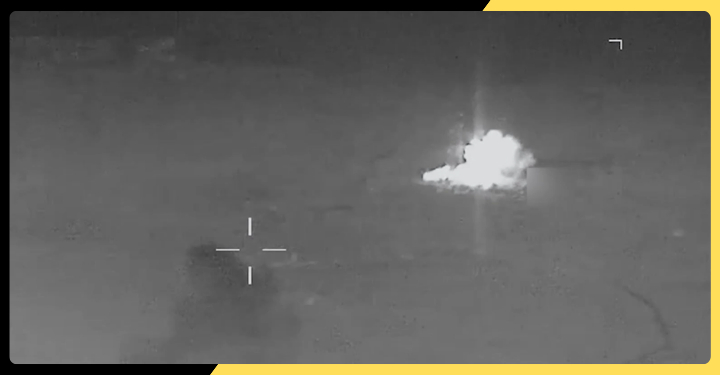
Growing fears of a wider conflict in the Middle East have placed Bahrain and Kuwait on heightened alert following recent U.S. military strikes on Iranian military-linked facilities. While no missile attacks have been reported against either Gulf nation, security officials are taking precautionary steps amid concerns that any escalation between Washington and Tehran could increase risks across the region.
The latest developments have prompted both governments to strengthen defensive measures around strategic locations, including military installations, oil facilities, airports, ports, and government buildings. Authorities have reassured the public that there is no immediate threat but emphasized that maintaining a high level of preparedness is essential during periods of regional uncertainty.
The crisis began after the United States carried out precision airstrikes against targets it said were connected to Iran’s military capabilities. According to U.S. officials, the operation was intended to reduce threats to American personnel and allied interests in the region. Iran condemned the strikes as an act of aggression and declared that it reserved the right to respond under international law.
Although Iranian officials have not publicly identified specific targets for any potential retaliation, military analysts believe countries hosting U.S. forces could become focal points in a broader confrontation. Bahrain is home to the U.S. Navy’s Fifth Fleet, while Kuwait hosts major American military facilities that support operations throughout the Middle East. Their strategic importance has placed both countries under close international observation.
Bahrain’s security forces have reportedly increased patrols across key areas while enhancing surveillance around critical infrastructure. Emergency response agencies have reviewed contingency plans, and defense authorities continue to coordinate with international partners to monitor developments. Officials have advised residents to remain calm, avoid misinformation, and follow updates issued through official government channels.
In Kuwait, military and civil defense agencies have conducted readiness assessments to ensure they can respond quickly to any emergency. Authorities have strengthened security at border crossings, airports, and strategic facilities while increasing coordination with allied defense forces. Government representatives stressed that these measures are preventive rather than a response to any confirmed threat.
The Gulf region remains one of the world’s most strategically sensitive areas due to its concentration of energy resources and international military presence. Any military confrontation involving Gulf states could have consequences far beyond the region, affecting energy markets, international trade, and global diplomatic relations.
Financial markets have already shown signs of nervousness as investors monitor the situation. Oil prices have fluctuated amid concerns that further escalation could disrupt production or transportation through the Strait of Hormuz, one of the world’s most important maritime routes for crude oil exports. Shipping companies are also reviewing security conditions to ensure the safe movement of commercial vessels.
International leaders continue urging restraint. The United Nations has appealed for renewed diplomatic efforts, warning that additional military exchanges could increase humanitarian risks and destabilize the wider Middle East. Governments across Europe and Asia have echoed similar concerns, encouraging dialogue instead of further confrontation.
Defense specialists note that Bahrain and Kuwait possess increasingly sophisticated air-defense systems capable of detecting and intercepting various aerial threats. These systems, combined with intelligence-sharing agreements involving regional and international allies, provide an important layer of security. However, experts caution that evolving warfare now includes drones, cyberattacks, and long-range precision missiles, making comprehensive defense planning more important than ever.
Despite heightened tensions, daily life in both Bahrain and Kuwait has continued without major disruption. Businesses remain open, schools continue operating, and transportation services function normally. Government officials have encouraged residents to avoid panic buying or reacting to unverified social media reports, emphasizing that official information should remain the primary source of updates.
Political analysts believe the coming days will determine whether the current crisis moves toward diplomacy or further military escalation. Much depends on decisions taken by both Washington and Tehran, as well as mediation efforts by regional and international partners seeking to prevent a broader conflict.
Many experts argue that neither side would benefit from a prolonged military confrontation. A wider conflict could damage regional economies, threaten global energy supplies, and create significant humanitarian challenges. Consequently, diplomatic negotiations remain a priority for many governments seeking to reduce tensions.
For Bahrain and Kuwait, the current situation highlights the complex security environment faced by Gulf nations that maintain close defense partnerships with the United States while sharing the region with Iran. Both countries have consistently expressed support for peaceful solutions and regional stability, even as they strengthen defenses against potential threats.
As military readiness remains high and diplomatic efforts continue behind the scenes, the international community is watching closely for signs of either de-escalation or renewed confrontation. The actions taken over the coming days may shape not only the future of Gulf security but also the broader geopolitical landscape of the Middle East.
Journalist Details

- Jitendra Kumar is an Indian journalist and social activist from Hathras in Uttar Pradesh is known as the senior journalist and founder of Xpert Times Network Private Limited.
Latest entries
 World NewsSeptember 10, 2026Russian IL-76 Among Three Aircraft Landing at Noida Airport Ahead of Putin’s Visit
 NewsSeptember 9, 2026Strait of Hormuz Becomes Flashpoint as US and Iran Trade Naval Strikes
 Latest NewsSeptember 8, 2026King’s Letter Shocks Sussexes: Why Harry and Meghan’s Royal Future Is Back in Focus
 Latest NewsSeptember 6, 2026Before the Big SIR Cleanup, 11 Lakh Delhi Voters Had Already Disappeared From Electoral Rolls