
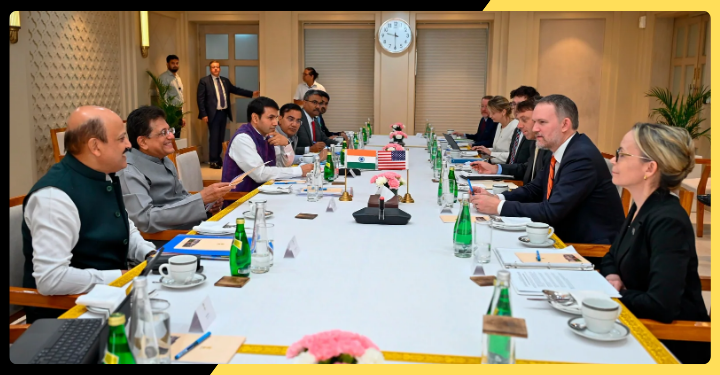
India has voiced strong concerns over the United States’ proposed 12.5% tariff on selected imports, warning that such a move could affect the steady progress of economic cooperation between the two nations. New Delhi has urged Washington to reconsider the proposal and instead focus on bilateral trade negotiations that can resolve outstanding issues through dialogue and mutual understanding.
Indian officials believe that imposing additional tariffs may create unnecessary hurdles for businesses at a time when both countries are working to expand trade, attract investments, and strengthen strategic partnerships. They have reiterated that negotiations remain the most practical way to address differences while ensuring that commercial ties continue to grow.
Over the past decade, India and the United States have emerged as key economic partners. Bilateral trade has witnessed consistent growth, supported by increasing cooperation in sectors such as information technology, pharmaceuticals, engineering goods, textiles, agriculture, energy, telecommunications, and defense manufacturing. Both governments have also promoted closer collaboration in emerging industries including artificial intelligence, semiconductors, clean energy, and digital innovation.
The proposed tariff has sparked concern among exporters, manufacturers, and industry groups in India. Many companies fear that higher import duties could reduce demand for Indian products in the American market by increasing prices for buyers. Small and medium-sized exporters, which depend heavily on overseas sales, may face additional pressure if the tariff is implemented.
Trade experts have also pointed out that the impact would not be limited to Indian businesses alone. American companies importing goods from India could experience higher procurement costs, which may eventually be passed on to consumers. Several analysts believe that both economies benefit from maintaining open and predictable trade policies rather than introducing new barriers.
Government officials have stressed that India remains committed to finding a mutually acceptable solution through constructive engagement. According to policymakers, regular discussions between trade representatives can help resolve concerns related to tariffs, market access, customs procedures, regulatory standards, and investment opportunities. Such negotiations, they argue, are essential for preserving confidence among businesses and investors.
Industry associations have welcomed India’s diplomatic approach and encouraged both governments to accelerate trade talks. Business leaders believe that reducing uncertainty is critical for companies planning long-term investments and expanding international operations. Stable trade policies allow firms to make strategic decisions with greater confidence, ultimately supporting economic growth and job creation.
Economists note that India and the United States have become increasingly interconnected through global supply chains. Components manufactured in one country are often used in production facilities located in the other, making uninterrupted trade an important factor for several industries. Any increase in tariffs could affect supply chain efficiency, production costs, and delivery timelines for businesses operating across borders.
The discussions also come at a time when many countries are seeking to diversify supply chains and strengthen economic resilience. India has positioned itself as a major manufacturing and investment destination through initiatives aimed at improving infrastructure, encouraging domestic production, and attracting global companies. Continued cooperation with the United States is considered an important part of these long-term economic objectives.
Observers believe the current negotiations present an opportunity for both nations to deepen their commercial partnership. Beyond addressing the proposed tariff, discussions could cover broader issues such as expanding market access, simplifying trade regulations, increasing investment flows, and promoting collaboration in high-growth sectors. A comprehensive bilateral trade framework could provide long-term benefits for businesses in both countries.
Despite the concerns surrounding the proposed tariff, officials on both sides have continued to express confidence in the strength of India-US relations. The two countries share strategic interests that extend beyond trade, including cooperation in defense, technology, healthcare, education, climate action, and regional security. These shared priorities provide a strong foundation for resolving economic differences through diplomacy.
As bilateral talks continue, businesses and investors will closely monitor the outcome. Many hope that constructive negotiations will prevent the introduction of new trade barriers and pave the way for stronger economic cooperation. A balanced agreement could not only protect existing trade flows but also create fresh opportunities for investment, innovation, and sustainable growth, reinforcing the long-term partnership between India and the United States.
Journalist Details

- Jitendra Kumar is an Indian journalist and social activist from Hathras in Uttar Pradesh is known as the senior journalist and founder of Xpert Times Network Private Limited.
Latest entries
 NewsOctober 14, 2026Delhi SIR Raises Questions Over Equal Voting Rights for Minority Communities
 Crime NewsOctober 13, 2026Hyderabad Police Investigate Suspicious Death of 29-Year-Old Software Engineer
 World NewsOctober 11, 2026Hydropower Project and Bridges Damaged as Nepal Floodwaters Surge
 Latest NewsOctober 10, 2026Delhi on High Alert as CJP Protest Draws Attention to Electoral Roll Revision Controversy