
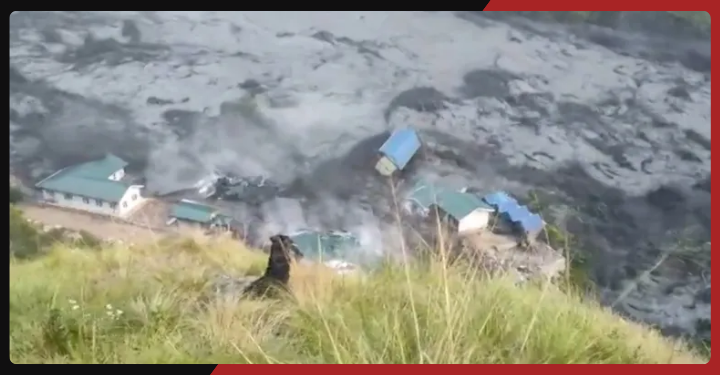
A flash flood in Nepal’s central Gorkha district has damaged critical infrastructure, swept away houses and disrupted connections between settlements along the Budhi Gandaki River. The disaster on Sunday, October 11, affected bridges and a hydropower project site, highlighting the vulnerability of infrastructure built in steep river valleys.
The flooding followed what authorities believe was a landslide-related blockage upstream. When the obstruction reportedly gave way, water rushed downstream with enough force to carry away buildings and damage transport links. Investigators are examining the circumstances surrounding the event, and the full extent of the destruction remains uncertain
Bridges were among the most significant losses reported in the affected area. These structures are vital for communities spread across mountainous terrain, where rivers and steep slopes can make travel difficult even in normal conditions. When a bridge is destroyed, residents may lose access to markets, health services, schools and emergency assistance.
Reports identified damage to several bridges, including a connection between Nyakchet and Philim Bazaar in the Chumnubri area. Other reports described the loss of a road bridge linking Gorkha and Dhading districts. Differences in early counts mean that a complete, verified inventory of damaged structures was not immediately available
The hydropower sector was also affected. Reports said that the flood damaged a project site and associated infrastructure along the river. In a country where hydropower is an important part of the energy system, damage to facilities can create difficulties for construction, maintenance and future electricity generation. However, the immediate effect on electricity supplies will depend on the condition of the affected installations and other parts of the network.
The consequences extend beyond the structures directly struck by the flood. Damaged roads and bridges can prevent construction materials, machinery and relief supplies from reaching affected locations. Emergency teams may have to use helicopters or alternative routes to transport people and equipment. This can increase response times and make recovery more expensive.
Nepalese security forces and local authorities were deployed to assist residents, assess damage and conduct evacuations. Helicopters were used to support rescue and relief operations, particularly in locations that were difficult to reach by road. Residents along vulnerable sections of the river were warned to relocate to safer ground
The disaster has also drawn attention to the risks of landslides in mountain catchments. A landslide can obstruct a watercourse and create a temporary natural dam. If the barrier fails, the resulting surge can place severe pressure on bridges, riverbank buildings, roads and other infrastructure downstream.
Experts are assessing whether the latest flood resulted from the failure of such a blockage. The International Centre for Integrated Mountain Development said preliminary information pointed towards a possible landslide-dam breach in the Budhi Gandaki river system. Further investigation is needed to establish the precise cause.
The incident raises broader questions about how infrastructure in mountainous areas can be protected against sudden flooding. Measures may include improved river monitoring, better early-warning systems, risk assessments for bridges and construction sites, and evacuation plans for communities located close to river channels.
For affected residents, restoring transport connections and ensuring access to essential services will be among the most pressing challenges. Authorities must first establish the safety of damaged structures and determine which routes can be reopened.
The recovery process will require coordination between local governments, disaster-management agencies, security forces and infrastructure operators. Until assessments are complete, officials must also ensure that residents understand the continuing danger of unstable river conditions.
Journalist Details

- Jitendra Kumar is an Indian journalist and social activist from Hathras in Uttar Pradesh is known as the senior journalist and founder of Xpert Times Network Private Limited.
Latest entries
 World NewsOctober 11, 2026Hydropower Project and Bridges Damaged as Nepal Floodwaters Surge
 Latest NewsOctober 10, 2026Delhi on High Alert as CJP Protest Draws Attention to Electoral Roll Revision Controversy
 Latest NewsOctober 8, 2026Fresh FIRs Against Rahul and Priyanka Gandhi Add Fuel to Escalating SIR Protests
 NewsOctober 7, 2026Rahul Gandhi, Priyanka Gandhi Among Opposition Leaders Detained After Delhi Protest