
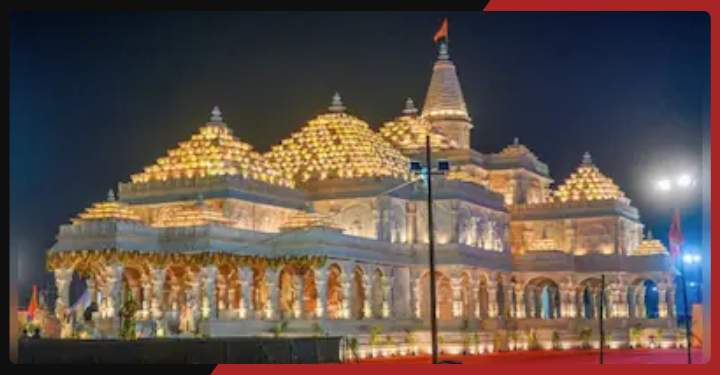
The interview process for the Ram Mandir CEO post in Ayodhya is attracting attention because the questions reportedly combine personal religious practices with professional management capabilities. Candidates have reportedly been asked about their faith in Lord Ram, janeu, vegetarianism, alcohol consumption and familiarity with Hindu customs, alongside questions about leadership, administration and their vision for the temple.
The unusual combination reflects the complexity of the position. The CEO of a major religious institution occupies a role that sits at the intersection of faith, administration, public service and large-scale event management.
The selection process began after thousands of people applied for the position. Reports initially said more than 1,000 applications had been received within a short period, while later reporting indicated that the final applicant pool reached around 5,200. From this large pool, 18 candidates were shortlisted for interviews.
The first group interviewed included former senior government officials and military officers. Their backgrounds underline the importance of administrative experience for the post.
The temple’s growing popularity means that its CEO must understand how to operate an organization dealing with enormous visitor numbers. Pilgrims expect security, cleanliness, orderly queues, clear information, medical assistance and efficient access.
The religious side of the institution adds another layer. Temple rituals cannot simply be treated like routine events in a corporate office. Administrative decisions must take into account religious schedules, customs and the requirements of priests and temple authorities.
This may explain why interviewers reportedly asked candidates about religious practices. Questions about janeu, vegetarian food and alcohol consumption appear to be aimed at understanding a candidate’s personal relationship with religious customs.
However, the significance of these questions depends on how they are weighed against professional qualifications. Personal practices can provide information about cultural familiarity, but they do not by themselves establish leadership capability.
A successful CEO must be able to create systems. The temple requires systems for accounting, procurement, staff management, security, visitor services and crisis response. These responsibilities demand organizational discipline and professional experience.
The ability to manage large events is particularly important. Ayodhya sees significant increases in visitors during religious festivals and important occasions. The CEO will need to work closely with local authorities to ensure that crowds can move safely.
Emergency management will also be critical. Any large gathering can face unexpected situations, including medical emergencies, overcrowding, weather disruptions or security concerns. A CEO must be able to make quick decisions while maintaining coordination among different agencies.
Another major responsibility will be communication. The temple is watched closely by devotees across India and abroad. Information about darshan, facilities, donations, religious events and administrative decisions must be communicated clearly.
The CEO may also be expected to help modernize temple administration. Digital systems can make donations easier to track, provide better visitor information and improve internal monitoring. Technology can also support crowd management and help authorities understand visitor patterns.
The financial dimension cannot be ignored. A major temple receives donations and manages substantial resources. Professional financial controls are essential to maintain public confidence. A CEO should therefore understand auditing, compliance, procurement and institutional accountability.
The earlier online questionnaire reportedly reflected many of these expectations. It sought information about educational qualifications, professional experience, leadership ability, large-event management and the applicant’s vision for the Shri Ram Janmbhoomi Teerth Kshetra.
The final selection will therefore depend on a combination of factors. The interview committee is expected to select three names and forward them to the temple trust, which will make the final decision.
The process is also significant because it provides a glimpse into how religious institutions are adapting to modern administrative requirements. A temple that attracts huge numbers of pilgrims needs professional systems just as much as any large public-facing organization.
The debate over the interview questions should therefore be viewed within this larger framework. Religious understanding may be relevant because the CEO works inside a sacred institution. At the same time, professional competence is essential because the institution operates at a scale that creates complicated administrative challenges.
The ideal candidate will probably need to demonstrate both cultural sensitivity and managerial ability. The person must understand the significance of religious traditions while also being comfortable dealing with technology, finance, government agencies and large teams.
The Ram Mandir CEO appointment is thus more than the filling of a vacant administrative position. It is about determining the leadership model for a rapidly expanding religious institution. The candidate chosen will have to translate a deeply traditional environment into an efficiently managed modern organization without compromising its religious character.
That balance will ultimately determine whether the next CEO can meet the expectations of devotees, administrators and the temple trust alike.
Journalist Details

Latest entries
 Latest NewsOctober 12, 2026Rahul Gandhi and Mallikarjun Kharge Face Setback Ahead of Planned Supreme Court March
 World NewsOctober 5, 2026Brazil Vote Tightens as Bolsonaro Falls Short of Decisive Victory
 Latest NewsOctober 1, 2026Two Lethal Injections Fail to Kill Tennessee Death Row Inmate Christa Pike
 Latest NewsSeptember 26, 2026Election Commission Says Differing Opinions Are Normal, Final Decisions Unanimous