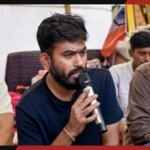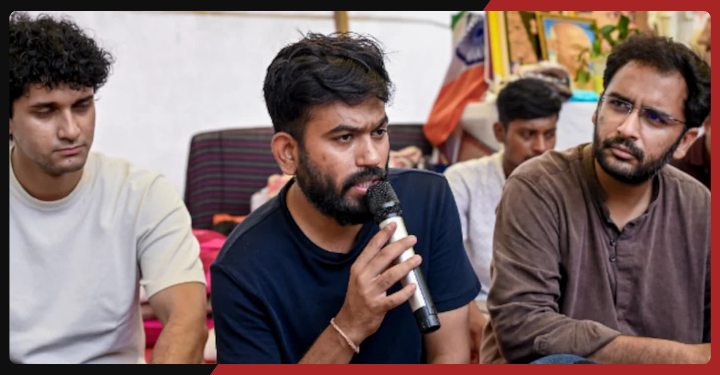
New Delhi, October 16, 2026: The detention of Cockroach Janta Party leaders Ashutosh Ranka and Saurav Das has intensified the organisation’s confrontation with authorities, prompting founder Abhijeet Dipke to announce fresh demonstrations in Delhi and Mumbai. Dipke has said that he is prepared to face arrest rather than withdraw the campaign demanding the resignation of Chief Election Commissioner Gyanesh Kumar.
The latest developments come amid a continuing dispute over the Special Intensive Revision of electoral rolls. The CJP has argued that the revision has raised serious questions about the protection of voting rights, particularly for citizens whose names may have been removed from voter lists. The Election Commission, however, has defended the exercise as an administrative process designed to identify duplicate and ineligible entries.
Ranka and Das were reportedly placed in five-day judicial custody after their detention following an earlier demonstration at Jantar Mantar. The protest included slogans demanding the removal of Gyanesh Kumar from his position. Their detention has become a central issue in the CJP’s latest mobilisation.
Dipke has described the proposed demonstrations as an effort to defend democratic rights and support his colleagues. The organisation has announced a “Lehra Do Tiranga” protest at Delhi’s Central Park in Connaught Place and a parallel gathering at Mumbai’s Azad Maidan.
According to media reports, Dipke said that he believed police could detain him before or during the planned action. Rather than treating the possibility of arrest as a reason to retreat, he presented it as a risk that he and his supporters were willing to accept.
The proposed Delhi demonstration has encountered significant restrictions. Police have cited prohibitory orders under Section 163 of the Bharatiya Nagarik Suraksha Sanhita and the absence of the necessary permission for a large gathering at Central Park. Authorities have also closed the park temporarily and increased security in the surrounding area.
The Delhi High Court declined to restrain the proposed protest and recorded the police’s assurance that the gathering would be regulated. Police indicated that a small group of 11 people could be allowed to carry the national flag and sing the national anthem at a suitable location. This arrangement, however, differs substantially from a large public demonstration.
In Mumbai, the proposed gathering at Azad Maidan reportedly received police permission. The difference between the two cities highlights the importance of local permissions and restrictions in determining how demonstrations can proceed.
Beyond the immediate dispute over the protests, the CJP’s campaign raises questions about electoral accountability. The party wants the Election Commission to address concerns about voter-list revisions and is demanding a change in leadership at the top of the institution. Its position has attracted attention from activists and political groups, although the allegations surrounding the revision process remain contested.
The Election Commission’s responsibility includes maintaining accurate electoral rolls, but the credibility of that work also depends on transparent procedures, accessible correction mechanisms and public confidence. Citizens who believe they have been wrongly excluded must be able to verify their status and pursue the appropriate remedies.
The government and the election authorities reject claims that the exercise is designed to favour a political party. Consequently, the debate must be evaluated through verifiable records, official explanations and the experiences of affected voters rather than political allegations alone.
The detention of party leaders has added an immediate human and political dimension to these broader questions. Supporters view the latest protest as a show of solidarity, while authorities have emphasised compliance with restrictions on public assemblies.
Whether Dipke’s campaign produces a change in the Election Commission’s leadership remains uncertain. Nevertheless, the planned demonstrations demonstrate that the disagreement over electoral revisions and the treatment of protesters continues to generate political pressure.
Journalist Details


- Jitendra Kumar is an Indian journalist and social activist from Hathras in Uttar Pradesh is known as the senior journalist and founder of Xpert Times Network Private Limited.
Latest entries