Delhi SIR Raises Questions Over Equal Voting Rights for Minority Communities
NEW DELHI: A recent analysis of Delhi’s draft electoral rolls has raised concerns about equal treatment in the voter verification process after finding that Muslim electors were disproportionately represented among those flagged for logical discrepancies. The findings have renewed discussion about minority representation, administrative fairness and the responsibility of election authorities to protect every eligible citizen’s right to vote.
According to the analysis reported on October 14, Muslims accounted for 13.6% of electors on Delhi’s draft rolls but represented 20.3% of those flagged for logical discrepancies. Their representation rose to approximately 30% among electors identified under five criteria associated with family size and age relationships.
The figures do not establish that the electoral revision was intentionally discriminatory. However, they raise questions about whether the criteria used to examine voter records are producing comparable results across different communities.
The right to vote is central to representative democracy. Electoral rolls must be accurate because duplicate, outdated or otherwise ineligible entries can undermine election administration. At the same time, the process of correcting those rolls must protect eligible voters from being excluded through mistakes, unclear procedures or an inability to complete verification requirements.
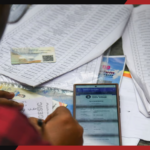
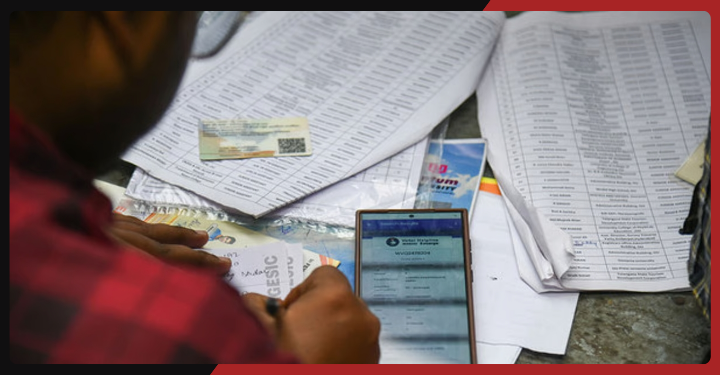
Special Intensive Revision is intended to examine electoral records more closely. During such exercises, officials may identify voters whose information cannot be matched with earlier records or whose entries contain inconsistencies requiring clarification. The process can help improve accuracy, but it can also create difficulties for people whose documentation is incomplete or whose personal circumstances do not fit standard database patterns.
For minority communities, the reported figures raise a specific question: are the verification criteria equally reliable for all groups? Answering that question requires more than comparing percentages. Researchers would need to examine the reasons behind the flags, the demographic composition of each category and the proportion of cases ultimately resolved without adverse consequences.
The distinction between being flagged and losing voting eligibility is essential. A notice requesting clarification is not the same as a final decision removing a person from the electoral roll. The consequences depend on the applicable procedures, the evidence submitted and the decision taken by the competent election authority.
Nevertheless, even a preliminary notice can create practical difficulties. Citizens may need to understand unfamiliar administrative instructions, obtain supporting records, attend hearings or correct errors in databases. If the process is difficult to navigate, some eligible voters could struggle to resolve their cases in time.
Election authorities can reduce these risks by providing notices in accessible language, offering assistance to voters who need it and ensuring that the same standards are applied consistently. Local support and clear communication are especially important when large numbers of citizens are being asked to verify their records within a limited period.
Independent monitoring could also help determine whether the observed disparity reflects differences in the underlying records, the design of verification criteria, unequal administrative outcomes or a combination of factors. Without that examination, claims of deliberate targeting and claims that the process is entirely fair would both go beyond what the figures alone establish.
Public trust depends on the perception as well as the reality of impartial administration. When an official process produces a substantial demographic disparity, election authorities should explain how it occurred and what safeguards are available to prevent eligible voters from suffering unfair consequences.
Political parties and community organisations also have a role to play. They can help voters understand notices, direct people towards official assistance and encourage lawful participation in the claims and objections process. Their involvement should be grounded in accurate information rather than unverified claims about individual cases.
The broader lesson is that electoral integrity requires both accurate records and fair procedures. Removing genuinely ineligible entries is a legitimate administrative objective, but it must be pursued without creating unnecessary barriers for qualified citizens.
Delhi’s SIR findings have therefore brought minority voting rights into sharper focus. A transparent review of the reported disparity, combined with accessible remedies and independent scrutiny, would help establish whether the process is meeting its democratic obligations.
For a representative system to command confidence, every eligible voter must be able to participate without discrimination. Ensuring that principle is upheld requires election authorities to investigate credible concerns, publish meaningful explanations and demonstrate that verification rules work fairly for the entire electorate.
Journalist Details


- Jitendra Kumar is an Indian journalist and social activist from Hathras in Uttar Pradesh is known as the senior journalist and founder of Xpert Times Network Private Limited.
Latest entries