
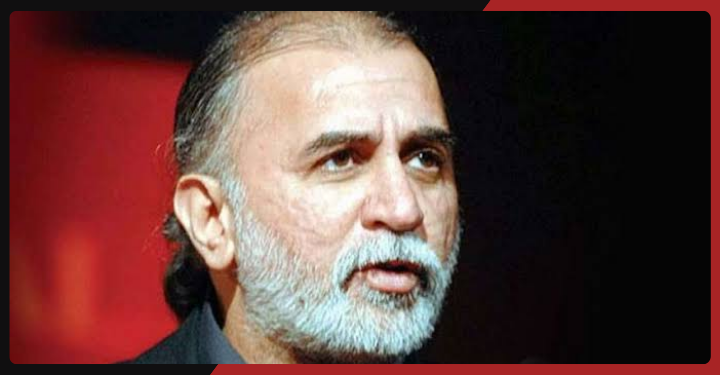
In a landmark judgment that has drawn nationwide attention, the Bombay High Court has overturned the acquittal of former Tehelka editor-in-chief Tarun Tejpal in the 2013 sexual assault case. Allowing an appeal filed by the Goa government, the High Court convicted Tejpal after finding that the trial court had erred in its appreciation of evidence. The decision reverses the Goa Sessions Court’s 2021 verdict, which had cleared the veteran journalist of all charges, and marks a significant chapter in one of India’s longest-running and most closely watched criminal cases.
The High Court’s ruling comes after years of legal proceedings that examined allegations made by a former junior colleague, who accused Tejpal of sexually assaulting her during a work-related event in Goa in November 2013. The case attracted widespread public attention due to the profile of the accused and its broader implications for workplace safety and accountability within the media industry.
According to the prosecution, the alleged incidents took place inside a hotel elevator during the annual ThinkFest event organised by Tehelka. The complainant alleged that Tejpal sexually assaulted her on two consecutive occasions despite her repeated objections. Soon after the allegations surfaced, the matter became a subject of intense national debate, prompting discussions about sexual harassment in professional environments and the responsibilities of employers to ensure safe workplaces.
The Goa Police launched an investigation following the complaint and registered a criminal case under several provisions of the Indian Penal Code, including charges of rape, sexual assault, and wrongful confinement. Investigators examined witness statements, CCTV footage, hotel access records, email exchanges, and other documentary evidence during the course of the investigation.
Tarun Tejpal consistently denied the allegations throughout the investigation and trial. His defence maintained that the interactions between him and the complainant were consensual and argued that the prosecution had failed to prove its case beyond reasonable doubt. The defence also questioned aspects of the police investigation and challenged the reliability of certain pieces of evidence presented before the court.
After a prolonged trial, the Goa Sessions Court acquitted Tejpal in May 2021. The trial judge observed that the prosecution had not established guilt beyond reasonable doubt and cited perceived inconsistencies in the evidence. However, the judgment immediately drew criticism from several legal experts and women’s rights advocates, who argued that the trial court had adopted an incorrect approach while assessing the complainant’s testimony and other evidence.
The Goa government subsequently challenged the acquittal before the Bombay High Court, contending that the trial court had committed serious legal and factual errors. During the appellate proceedings, state prosecutors argued that the lower court had ignored material evidence, placed undue emphasis on irrelevant considerations, and failed to properly evaluate the complainant’s testimony in accordance with established legal principles.
After hearing detailed submissions from both sides, the Bombay High Court concluded that the acquittal could not be sustained. The court found that the evidence on record justified reversing the earlier verdict and recording a conviction against Tejpal. While the High Court has pronounced him guilty, the issue of sentencing will be taken up separately after hearing arguments from both the prosecution and the defence.
The judgment has reignited discussions about the legal standards governing appeals against acquittals. Legal experts point out that appellate courts generally exercise caution before interfering with acquittals, but they are empowered to do so when the findings of a trial court are found to be contrary to the evidence or legally unsound.
The identity of the complainant continues to remain protected under Indian law, which prohibits disclosure of the names or identifying details of survivors of sexual offences.
Following the High Court’s verdict, Tejpal’s legal team announced that they intend to challenge the conviction before the Supreme Court. If such an appeal is filed, the apex court will have the opportunity to examine the legal findings of the High Court and determine whether the conviction should stand.
Beyond the immediate legal consequences for the accused, the judgment is expected to influence future discussions on workplace harassment, judicial scrutiny of sexual assault cases, and the role of appellate courts in correcting errors made during trial proceedings. For many observers, the ruling represents an important reminder that criminal cases can continue to evolve through the appellate process, even years after a trial court has delivered its verdict.
As the matter proceeds toward sentencing and a likely appeal before the Supreme Court, the Tarun Tejpal case remains one of the most significant legal proceedings involving allegations of sexual assault in India’s recent judicial history. It continues to shape conversations around justice, accountability, and the rights of survivors within the country’s legal system.
Journalist Details

- Jitendra Kumar is an Indian journalist and social activist from Hathras in Uttar Pradesh is known as the senior journalist and founder of Xpert Times Network Private Limited.
Latest entries
 World NewsSeptember 16, 2026Saudi Arabia Warns of ‘Red Line’ After Drone Intercepted Near Mecca
 NewsSeptember 15, 2026Jensen Huang’s Surprise Trump Call Steals the Spotlight at All-In Summit
 Crime NewsSeptember 13, 2026Restraining Order Couldn’t Stop the Alleged Stalker: The Warning Signs Before Shalini Thakur’s Killing
 Latest NewsSeptember 12, 2026Closing Auction Volatility Prompts SEBI to Consider New Expiry-Day Settlement Formula