
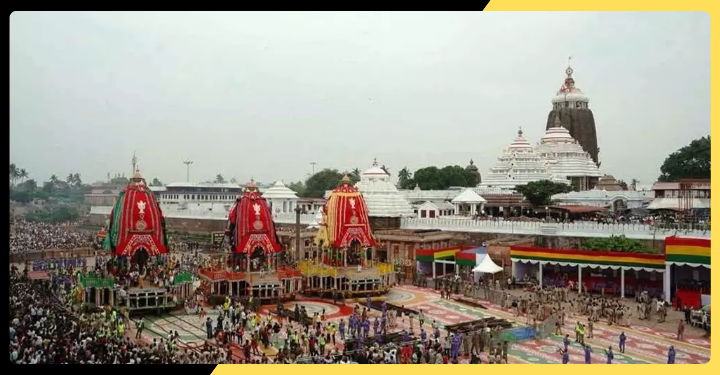
The Lord Jagannath Rath Yatra is one of the most sacred and celebrated festivals in Hinduism, symbolizing devotion, equality, compassion, and the eternal bond between God and humanity. Held every year in the holy city of Puri, Odisha, the grand chariot festival attracts millions of devotees from across India and around the world. More than a colorful religious procession, the Rath Yatra is a profound spiritual journey that inspires people to strengthen their faith, embrace unity, and experience the divine presence of Lord Jagannath.
According to Hindu beliefs, Lord Jagannath, regarded as an incarnation of Lord Vishnu and worshipped as Lord Krishna, embarks on an annual journey with his elder brother Lord Balabhadra and younger sister Devi Subhadra from the Jagannath Temple to the Gundicha Temple. This symbolic journey represents the Lord stepping out of His temple to bless all devotees, including those who may not have the opportunity to enter the temple. The festival conveys the powerful message that God’s love and blessings are available to everyone without discrimination.
One of the most remarkable aspects of the Rath Yatra is its emphasis on equality. During the festival, people from every caste, community, language, nationality, and social background come together to pull the gigantic wooden chariots. There is no distinction between rich and poor, powerful and ordinary citizens. Everyone joins hands with the same devotion and reverence, demonstrating that all human beings are equal in the eyes of the Almighty. This timeless message of inclusiveness has made the Rath Yatra one of the most respected spiritual festivals in the world.
The festival also teaches the importance of humility. Before the procession begins, the Gajapati Maharaja of Puri performs the sacred ritual known as “Chhera Pahanra.” Carrying a golden broom, the king sweeps the platforms of the three chariots, symbolizing that even the highest earthly ruler is merely a humble servant of God. This centuries-old tradition reminds devotees that true greatness lies in selfless service, humility, and surrender to the Divine.
The magnificent wooden chariots themselves carry deep spiritual symbolism. Every year, they are built from freshly cut sacred neem wood by skilled artisans following ancient traditions. This annual reconstruction reminds devotees that while physical forms may change, the soul remains eternal. The temporary nature of the chariots reflects the impermanence of worldly life, while the eternal presence of the deities represents the everlasting nature of the Supreme Being.
Pulling the sacred chariots is considered an act of immense spiritual merit. Thousands of devotees eagerly wait for the opportunity to hold the thick ropes attached to the chariots, believing that this sacred service brings divine blessings, removes past sins, and leads to spiritual progress. The collective effort of thousands of people working together to move the massive chariots also symbolizes unity, cooperation, and shared faith.
The Rath Yatra is equally a celebration of compassion and divine accessibility. Unlike many temple rituals that take place within sacred premises, this festival allows the deities to come out among the people. Elderly devotees, differently abled individuals, and those unable to enter the temple can receive the Lord’s blessings during the procession. This unique tradition reflects Lord Jagannath’s unconditional love for all humanity and His willingness to reach every devotee regardless of social or religious barriers.
Beyond its religious significance, the Rath Yatra strengthens social harmony and cultural unity. People from different regions, religions, and even countries gather in Puri to witness the grand spectacle. Volunteers distribute free food, drinking water, and medical assistance to pilgrims, reflecting the values of kindness and selfless service. Temples, religious organizations, and charitable groups work together to support millions of visitors, creating an atmosphere of compassion and mutual respect.
The festival is also an important reminder of India’s rich spiritual heritage. Traditional music, devotional songs, classical dances, folk performances, and ancient rituals are beautifully woven into the celebrations. Generations of artisans preserve the centuries-old methods of constructing the chariots, ensuring that this sacred tradition continues unchanged despite the passage of time.
Modern technology has further expanded the festival’s spiritual reach. Millions of devotees who cannot travel to Puri now watch the Rath Yatra through live television broadcasts and online streaming platforms. Virtual participation allows people across the globe to offer prayers and experience the divine atmosphere from their homes, making the festival truly global in its appeal.
As the giant chariots roll through the streets of Puri each year, the Lord Jagannath Rath Yatra continues to inspire countless hearts with its timeless teachings of faith, humility, equality, compassion, and unity. It is far more than a religious festival—it is a living expression of India’s enduring spiritual values. The sacred journey of Lord Jagannath reminds humanity that devotion knows no boundaries and that the path to the Divine is open to all who seek it with sincerity, love, and faith.
Journalist Details

Latest entries
 Latest NewsOctober 12, 2026Rahul Gandhi and Mallikarjun Kharge Face Setback Ahead of Planned Supreme Court March
 World NewsOctober 5, 2026Brazil Vote Tightens as Bolsonaro Falls Short of Decisive Victory
 Latest NewsOctober 1, 2026Two Lethal Injections Fail to Kill Tennessee Death Row Inmate Christa Pike
 Latest NewsSeptember 26, 2026Election Commission Says Differing Opinions Are Normal, Final Decisions Unanimous