
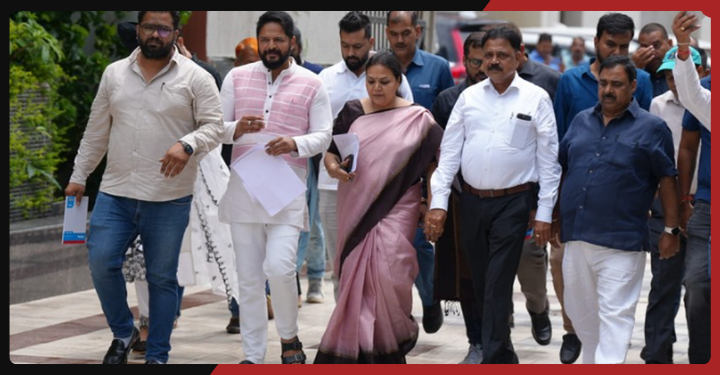
Another attempt to resolve the ongoing student protest in Jharkhand has failed to produce an agreement. Government officials held talks with another group of protesting students, but the discussions ended without a breakthrough. The development means the agitation will continue, keeping pressure on the state government.
The talks were part of efforts by the administration to address the concerns being raised by student organisations. However, the two sides could not reach a mutually acceptable position on the major issues being discussed.
The student protest has been driven by concerns surrounding matters important to the state’s youth. Students have argued that the government needs to take clear and effective measures to address their grievances. They have also sought greater accountability and transparency on issues affecting their educational and employment prospects.
The government has maintained engagement with student groups, but the absence of a settlement indicates that significant differences remain. Discussions can provide an opportunity for both sides to explain their positions, but they become meaningful only when they result in decisions or commitments capable of addressing the concerns raised.
The latest meeting with another faction of protesters adds another layer to the situation. Student movements often include several organisations and groups, each with its own priorities and strategies. Bringing these groups together can be essential if the government wants to reach a comprehensive settlement.
The protesters, meanwhile, have shown little indication that they intend to withdraw their movement following the failed talks. Their decision to continue the agitation demonstrates the seriousness with which they view their demands.
For students preparing for examinations or seeking government employment, uncertainty can be particularly difficult. Recruitment-related issues can affect thousands of candidates, many of whom spend years preparing for competitive examinations. This explains why student movements around such issues can quickly gain momentum.
The administration now faces the task of rebuilding confidence among the protesters. Further discussions could provide an opportunity to clarify government proposals and identify areas where compromise is possible.
At the same time, student leaders may seek to broaden support for the agitation. Continued mobilisation could increase pressure on the government, but it could also make a negotiated settlement more urgent.
The situation therefore remains at a critical stage. The failure of the latest meeting does not necessarily mean that dialogue has ended. Both sides could return to the negotiating table if there is willingness to reconsider positions.
A successful resolution will likely depend on whether the government can provide specific assurances and whether student groups are willing to accept a negotiated settlement.
Until then, the protest is expected to continue. The latest round of talks has failed to end the deadlock, leaving the administration and students facing another period of uncertainty.
Journalist Details

Latest entries
 Latest NewsOctober 12, 2026Rahul Gandhi and Mallikarjun Kharge Face Setback Ahead of Planned Supreme Court March
 World NewsOctober 5, 2026Brazil Vote Tightens as Bolsonaro Falls Short of Decisive Victory
 Latest NewsOctober 1, 2026Two Lethal Injections Fail to Kill Tennessee Death Row Inmate Christa Pike
 Latest NewsSeptember 26, 2026Election Commission Says Differing Opinions Are Normal, Final Decisions Unanimous