
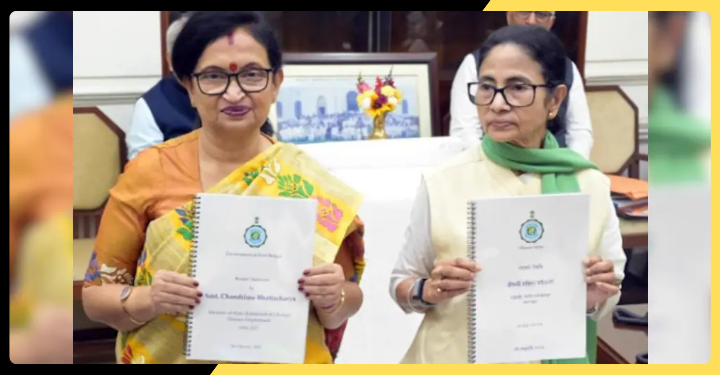
Kolkata: The Trinamool Congress (TMC) is facing another significant political challenge after a senior Bengal leader resigned from the post of state unit chief and reportedly held a meeting with party dissidents. The development has triggered widespread speculation about the future of the ruling party’s internal unity and has given fresh momentum to political discussions across West Bengal.
The resignation has come at a crucial time when the Trinamool Congress is focusing on strengthening its organization and preparing for upcoming political contests. While the party leadership has described the incident as an internal matter, political analysts believe it reflects growing concerns among certain sections of the party regarding its organizational functioning.
According to sources, the outgoing leader had expressed dissatisfaction over several internal issues, including decision-making processes, distribution of responsibilities, and communication between different levels of the party organization. Although discussions were reportedly held to address these concerns, they did not lead to a resolution, resulting in the leader’s resignation.
The political significance of the development increased after reports emerged that the former state chief met with several leaders considered part of the party’s dissident camp. The meeting has fueled speculation that dissatisfied members may be seeking a common platform to raise organizational concerns or push for reforms within the party.
Neither the resigned leader nor the rebel group has publicly disclosed the details of their discussions. As a result, there is considerable uncertainty about their future plans. Some political observers believe the meeting was aimed at exchanging views on the party’s direction, while others see it as an attempt to increase pressure on the central leadership.
Chief Minister and Trinamool Congress supremo Mamata Banerjee has not issued a detailed statement regarding the latest developments. However, senior party leaders have maintained that the Trinamool Congress remains united and fully capable of resolving internal differences through dialogue.
A senior party spokesperson emphasized that disagreements are common in every democratic political organization and should not be interpreted as signs of instability. According to the spokesperson, the party’s leadership remains committed to public welfare, development projects, and effective governance across West Bengal.
Opposition parties have reacted strongly to the resignation. Leaders from the Bharatiya Janata Party (BJP), Congress, and Left parties claimed the incident demonstrates increasing dissatisfaction within the ruling party. They argued that the resignation reflects broader organizational challenges that could affect the Trinamool Congress in the future.
Political analysts, however, have offered a more balanced assessment. They point out that internal disagreements are not uncommon in large political organizations and often emerge during periods of organizational restructuring or leadership changes. The key factor, they say, is how quickly and effectively the leadership addresses such concerns.
Supporters of the outgoing leader have defended the resignation, stating that it was motivated by organizational principles rather than personal political ambitions. They argue that constructive criticism can strengthen political parties by encouraging greater transparency and accountability.
On the other hand, loyal supporters of Mamata Banerjee remain confident that the Trinamool Congress will overcome the latest challenge. They note that the party has faced numerous political tests over the years and has consistently maintained its position as one of West Bengal’s strongest political forces.
The reported meeting with party dissidents has also become a major topic of discussion on social media. Political observers and supporters have shared differing opinions, with some viewing it as a sign of deeper internal divisions, while others believe it represents routine political consultation among leaders with shared concerns.
Experts suggest that maintaining organizational unity will be particularly important in the coming months. Strong coordination between senior leaders and grassroots workers is considered essential for any political party preparing for future elections and governance responsibilities.
At present, there has been no confirmation of additional resignations or any plans for the formation of a separate political group. Nevertheless, the developments have ensured that attention remains firmly focused on the Trinamool Congress and its leadership.
The coming weeks are expected to provide greater clarity about the party’s internal situation. Whether the leadership succeeds in addressing the concerns raised by dissatisfied leaders or whether the differences widen further will likely shape the next phase of West Bengal politics. For now, the resignation and meeting with dissidents have added a fresh chapter to the state’s evolving political story, keeping both supporters and opponents closely watching every new development.
Journalist Details

- Jitendra Kumar is an Indian journalist and social activist from Hathras in Uttar Pradesh is known as the senior journalist and founder of Xpert Times Network Private Limited.
Latest entries
 Latest NewsOctober 20, 2026Bhagwat Says India Will Resist Regime Change as Political Debate Intensifies
 Latest NewsOctober 16, 2026CJP Leaders in Custody as Abhijeet Dipke Renews Demand for Gyanesh Kumar’s Resignation
 NewsOctober 14, 2026Delhi SIR Raises Questions Over Equal Voting Rights for Minority Communities
 Crime NewsOctober 13, 2026Hyderabad Police Investigate Suspicious Death of 29-Year-Old Software Engineer