
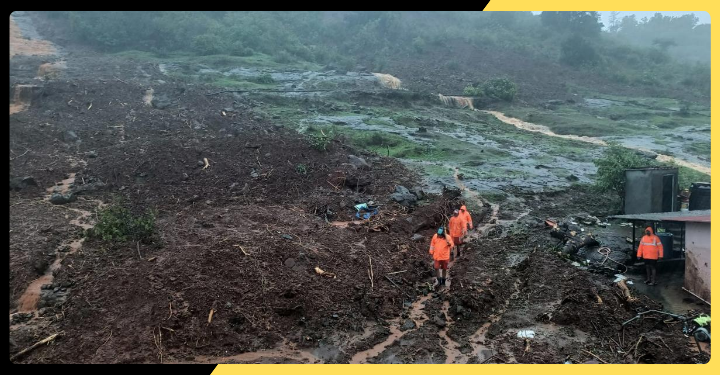
The relentless monsoon rains have caused widespread flooding across Maharashtra, severely disrupting daily life in Mumbai, Palghar, Raigad, and several adjoining districts. As water levels continue to rise in rivers, lakes, and drainage channels, thousands of residents are struggling to cope with the challenges posed by inundated roads, damaged infrastructure, interrupted transportation, and power outages. The unprecedented rainfall has once again highlighted the vulnerability of urban and rural areas to extreme weather events during the monsoon season.
Mumbai, the country’s financial and commercial hub, witnessed severe waterlogging in many parts of the city following continuous heavy rainfall. Major roads, residential colonies, marketplaces, and business districts remained submerged for several hours, causing massive traffic congestion. Commuters were forced to spend long hours on the roads as vehicles moved slowly through flooded streets. In some locations, motorists abandoned their vehicles after engines stalled in deep water, further worsening traffic conditions.
The suburban railway network, considered Mumbai’s lifeline, faced significant disruptions due to waterlogged tracks and reduced visibility. Several local train services operated with delays, while some routes experienced temporary suspension to ensure passenger safety. Thousands of office-goers and students found themselves stranded at railway stations, waiting for services to resume. Authorities worked continuously to pump out water from railway tracks and restore normal operations as quickly as possible.
Road transport also suffered major setbacks. Public buses were diverted from flooded routes, while many private vehicles struggled to navigate through waterlogged streets. Ride-hailing services experienced high demand, leading to increased waiting times and higher fares in some areas. Traffic police were deployed at major intersections to regulate vehicle movement and assist commuters trapped in congestion.
Air travel was not spared from the impact of the heavy rains. Flight operations at Mumbai’s airport experienced delays due to poor visibility, water accumulation near taxiways, and adverse weather conditions. Although airport authorities managed to keep operations functional, several flights were rescheduled or delayed, inconveniencing thousands of passengers. Travelers were advised to check flight status before leaving for the airport.
Educational institutions across the affected districts remained closed as a precautionary measure. Schools and colleges suspended classroom activities to ensure student safety, particularly in flood-prone areas. Many educational institutions switched to online classes where feasible, while examinations and extracurricular activities were postponed until weather conditions improved.
Businesses also faced operational challenges. Retail shops located in low-lying markets reported losses after rainwater entered their premises, damaging merchandise and equipment. Restaurants, shopping centers, and commercial establishments witnessed reduced customer footfall due to travel difficulties. Small business owners expressed concern over financial losses caused by repeated flooding during the peak monsoon season.
Healthcare services faced additional pressure as hospitals treated patients injured in rain-related accidents while also preparing for potential outbreaks of waterborne diseases. Ambulances encountered delays reaching emergency cases because flooded roads restricted access to several neighborhoods. Medical professionals urged citizens to avoid drinking contaminated water and to seek immediate treatment if they experienced symptoms of fever, diarrhea, or infections.
Electricity supply was temporarily disrupted in various localities after heavy rainfall damaged power infrastructure. Utility companies disconnected power in certain flooded areas to prevent electrical accidents and electrocution. Restoration teams worked around the clock to repair damaged transformers, overhead cables, and distribution lines once water levels receded.
Residents living in low-lying neighborhoods faced one of the toughest challenges. Many families had to move valuable belongings to higher floors as floodwater entered their homes. Household appliances, furniture, and personal documents were damaged in several areas. Temporary relief shelters established by local authorities provided accommodation, food, clean drinking water, and medical assistance to displaced families until it was safe for them to return home.
Agricultural communities in Palghar and Raigad also suffered considerable losses. Heavy rainfall submerged farmlands, damaging standing crops such as paddy, vegetables, and horticultural produce. Farmers expressed concern about declining yields and financial losses, particularly those who had recently completed sowing operations. Livestock owners also faced difficulties as cattle shelters became flooded, forcing animals to be relocated to safer areas.
Municipal corporations intensified efforts to clear blocked drains, remove accumulated garbage, and pump water out of flooded streets. Emergency workers used high-capacity pumps to reduce waterlogging in major urban centers, while engineering teams inspected bridges, culverts, and roads for structural damage. Civic authorities emphasized that blocked drainage systems caused by plastic waste and debris significantly slowed water drainage during periods of intense rainfall.
Disaster management officials continued to monitor river levels, reservoir storage, and rainfall intensity across Maharashtra. Alerts were issued for districts where rivers were approaching danger levels, and residents living near riverbanks were advised to remain vigilant. Authorities also warned people against visiting beaches, waterfalls, and other tourist destinations during the ongoing monsoon due to the risk of flash floods and strong currents.
Community volunteers and non-governmental organizations played an important role in relief efforts by distributing food packets, drinking water, clothing, and essential medicines to affected families. Local residents joined hands with civic workers to clean neighborhoods, assist elderly citizens, and support rescue operations, reflecting the resilience and solidarity of communities during difficult times.
As Maharashtra continues to battle heavy monsoon rains, restoring normal life remains a challenging task. Government agencies, emergency responders, and local communities are working together to minimize the impact of flooding while preparing for additional rainfall forecast in the coming days. The situation serves as a reminder of the importance of strengthening urban planning, improving drainage infrastructure, and enhancing disaster preparedness to better withstand future extreme weather events.
Journalist Details

- Jitendra Kumar is an Indian journalist and social activist from Hathras in Uttar Pradesh is known as the senior journalist and founder of Xpert Times Network Private Limited.
Latest entries
 World NewsSeptember 10, 2026Russian IL-76 Among Three Aircraft Landing at Noida Airport Ahead of Putin’s Visit
 NewsSeptember 9, 2026Strait of Hormuz Becomes Flashpoint as US and Iran Trade Naval Strikes
 Latest NewsSeptember 8, 2026King’s Letter Shocks Sussexes: Why Harry and Meghan’s Royal Future Is Back in Focus
 Latest NewsSeptember 6, 2026Before the Big SIR Cleanup, 11 Lakh Delhi Voters Had Already Disappeared From Electoral Rolls