
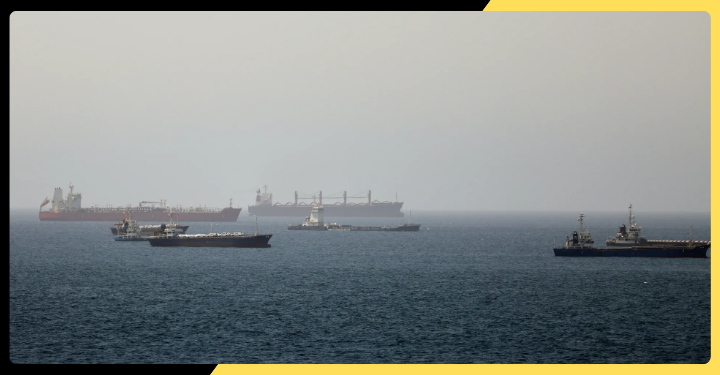
Energy markets showed signs of recovery after an early bout of volatility driven by concerns over evacuation planning and heightened security alerts near the Strait of Hormuz. The initial reaction saw crude oil prices spike sharply, but the momentum quickly softened as traders reassessed the situation and confirmed that physical oil flows had not been significantly interrupted.
The Strait of Hormuz is a vital artery for global energy supply, through which a large share of the world’s seaborne crude oil passes daily. Because of this strategic importance, even rumors or precautionary security measures can trigger immediate reactions in futures markets. In this case, early reports suggesting evacuation planning in response to regional tensions were enough to spark a risk-driven rally in crude benchmarks.
However, the recovery phase began as market intelligence sources and shipping data indicated that tanker movement remained largely uninterrupted. Vessel tracking systems showed continued transit through the Strait, albeit under heightened security awareness. This reassured traders that the situation, while sensitive, had not escalated into a structural supply disruption.
As clarity improved, oil prices began to stabilize and gradually recover from their intraday volatility. Brent crude and West Texas Intermediate both retraced part of their earlier gains, reflecting a normalization of risk sentiment. The market shifted its focus from immediate geopolitical fears to underlying supply-demand fundamentals, which remained relatively balanced.
One of the key factors supporting the recovery was the absence of any confirmed attacks on oil infrastructure or shipping vessels. Historically, sustained oil price rallies require either direct physical damage or prolonged disruption of exports. In this instance, the lack of such developments helped restore confidence among traders and investors.
At the same time, major oil-producing countries maintained steady output levels, which helped cushion potential supply concerns. Global inventories also remained sufficient, reducing the urgency of panic-driven buying. This combination of stable production and adequate stockpiles played an important role in limiting the duration of the price spike.
Financial markets also contributed to the recovery in oil pricing. Once initial fear-driven positions were unwound, algorithmic trading systems and short-term speculators accelerated the downward correction. This amplified the stabilization process, as liquidity returned and volatility levels gradually normalized.
Shipping and insurance markets, which had briefly priced in higher risk premiums, also adjusted downward as the situation failed to escalate. Freight rates for tankers passing through the region stabilized, further reinforcing the idea that the disruption was limited in scope. This helped reduce the cost pressure on crude transportation, indirectly supporting price moderation.
Analysts observing the market noted that the episode reinforced a recurring pattern in oil trading: sharp spikes driven by geopolitical uncertainty followed by relatively quick normalization when no tangible disruption occurs. The Strait of Hormuz, due to its critical role in global energy flows, remains particularly sensitive to such headline-driven volatility.
Despite the recovery, traders remain cautious. The geopolitical environment in the Gulf region is complex, and the potential for renewed tension continues to influence risk premiums in oil markets. Even when conditions stabilize, a baseline level of caution is typically embedded in pricing due to the strategic importance of the shipping route.
In summary, the recovery in energy markets following the Strait of Hormuz tensions reflects a broader market behavior: rapid reaction to perceived risk followed by stabilization once facts become clearer. While the initial spike underscored the fragility of sentiment in oil trading, the subsequent recovery highlights the resilience of supply chains and the importance of verified disruptions in sustaining price movements.
Journalist Details

Latest entries
 Latest NewsOctober 12, 2026Rahul Gandhi and Mallikarjun Kharge Face Setback Ahead of Planned Supreme Court March
 World NewsOctober 5, 2026Brazil Vote Tightens as Bolsonaro Falls Short of Decisive Victory
 Latest NewsOctober 1, 2026Two Lethal Injections Fail to Kill Tennessee Death Row Inmate Christa Pike
 Latest NewsSeptember 26, 2026Election Commission Says Differing Opinions Are Normal, Final Decisions Unanimous