
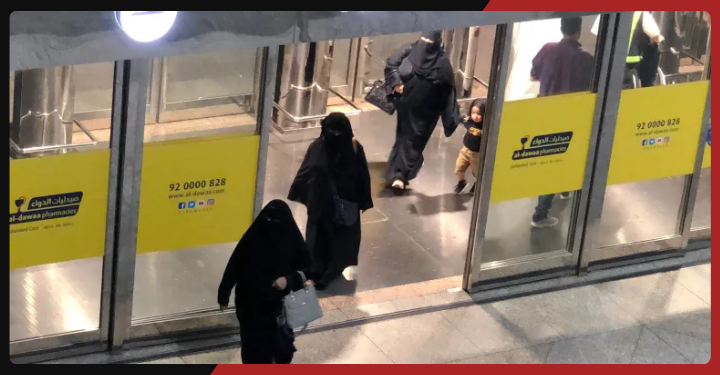
King Fahd International Airport in Dammam suffered material damage in an attack on Wednesday evening that killed two people and injured eight others, Saudi Arabia’s aviation authorities confirmed. The incident has prompted an assessment of airport facilities and renewed attention to the security of civilian transportation infrastructure.
The airport is a significant gateway for eastern Saudi Arabia, serving passengers travelling for business, employment, family visits and international connections. Any security incident at such a facility can have consequences for passengers, airline operations and the wider transport network.
Authorities Confirm Casualties
Saudi Arabia’s General Authority of Civil Aviation reported that the attack resulted in two deaths and eight injuries. The fatalities included a Saudi citizen and an Indian national residing in the Kingdom.
The injured included residents of several nationalities, reflecting the diverse expatriate population living and working in Saudi Arabia. Two Indian nationals were among those injured, according to the Indian Embassy in Riyadh.
Medical assistance was provided to the injured, whose conditions were reported to range from minor to serious.
The incident prompted authorities to coordinate with security agencies to determine the extent of the damage and take necessary precautions.
Although the initial reports established the casualty figures, officials did not immediately provide a comprehensive public account of the attack or identify all the circumstances surrounding it.
Material Damage Under Assessment
Damage to airport infrastructure can affect multiple aspects of aviation operations, including passenger movement, access to facilities, ground services and the safe functioning of airport equipment.
Saudi authorities said they were assessing the damage and implementing measures intended to protect passengers and airport personnel.
The assessment process is important because airport operators must establish whether affected facilities can be used safely. Even when damage appears limited, technical inspections may be necessary before normal operations can continue.
Security agencies also need to determine the circumstances of an attack and whether additional protective measures are required.
The official statements available on Thursday did not provide a detailed inventory of damaged structures or equipment. Consequently, the precise financial cost and operational impact of the incident remained unclear.
Flight Disruptions and Recovery
The attack also affected air traffic arrangements. Flight-tracking reports indicated that aircraft were diverted away from the airport following the incident.
Such diversions can create challenges for passengers, airlines and airport operators. Travellers may experience delays, missed connections or changes to their itineraries, while airlines must coordinate alternative arrangements and respond to evolving safety requirements.
Saudi aviation authorities subsequently confirmed that operations had resumed and air traffic had returned to normal.
The restoration of service was an important step towards reducing disruption. Nevertheless, the incident demonstrated how security threats can interrupt aviation activity even when a facility resumes operations relatively quickly.
Passengers affected by flight changes generally need to follow airline notifications and official airport updates for accurate information about departures and arrivals.
Civilian Aviation Under Pressure
The Dammam airport incident occurred amid heightened tensions in the region and reports of attacks against other Saudi infrastructure.
Civilian airports are particularly sensitive targets because they serve ordinary travellers and support economic connections. An attack can cause loss of life, damage property and undermine public confidence in the safety of air travel.
International aviation standards place strong emphasis on protecting passengers, crew members, ground staff and airport facilities. Security responses must therefore balance rapid emergency action with careful verification of information.
The incident also underlines the need for coordination between aviation regulators, airport operators, emergency responders and security agencies.
What Happens Next?
The immediate priorities are to complete the damage assessment, assist injured people and establish the full circumstances of the attack.
Authorities may also review security procedures and determine whether additional safeguards are necessary. Any further conclusions about responsibility or the method used should depend on verified findings.
For now, the confirmed facts are that two people were killed, eight were injured and the airport sustained material damage. Normal airport operations subsequently resumed.
The incident remains a serious reminder that protecting civilian aviation facilities is essential during periods of regional conflict.
Journalist Details

Latest entries
 World NewsOctober 22, 2026Eight Injured as Attack Damages Saudi Arabia’s King Fahd International Airport
 Latest NewsOctober 12, 2026Rahul Gandhi and Mallikarjun Kharge Face Setback Ahead of Planned Supreme Court March
 World NewsOctober 5, 2026Brazil Vote Tightens as Bolsonaro Falls Short of Decisive Victory
 Latest NewsOctober 1, 2026Two Lethal Injections Fail to Kill Tennessee Death Row Inmate Christa Pike