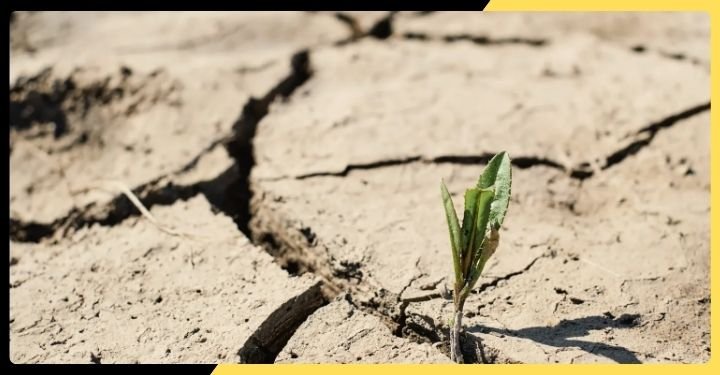
India’s farming community is confronting a difficult start to the kharif season after the country recorded its driest June in more than a decade. The sharp rainfall deficit has delayed sowing activities across several agricultural regions, raising concerns about crop production, rural incomes, and food security. As farmers wait for the southwest monsoon to strengthen, uncertainty continues to grow over the outcome of one of the country’s most important agricultural seasons.
The kharif season begins with the arrival of the southwest monsoon, which normally delivers widespread rainfall across India between June and September. These rains are vital for planting major crops such as rice, cotton, soybean, maize, pulses, groundnut, and millets. For millions of farmers who depend on rain-fed agriculture, timely and adequate rainfall determines not only crop yields but also household income for the entire year.
This year, however, rainfall during June has remained well below normal in many regions. Fields that would typically be covered with newly planted crops are still waiting for enough moisture to begin cultivation. The delayed onset of sowing has created uncertainty among farmers who have already invested in seeds, fertilizers, labor, and land preparation. Without sufficient rain, these investments remain at risk.
Agricultural experts emphasize that delayed sowing can significantly affect crop performance. Many crops have ideal planting windows that allow them to complete their growth cycle before cooler weather arrives later in the year. Missing these windows can reduce yields and expose crops to greater risks from pests, diseases, or unfavorable weather during flowering and harvesting stages.
Farmers in rain-fed regions are among the most vulnerable to prolonged dry spells. Unlike irrigated farms, these areas rely almost entirely on seasonal rainfall to maintain soil moisture. When rains fail to arrive on time, many growers are forced to postpone planting or shift to crops that require less water. While drought-tolerant crops such as millets or certain pulses may reduce the risk of complete crop failure, they often generate lower returns compared to traditional cash crops.
The rainfall deficit is also affecting water availability beyond the fields. Reservoirs, village ponds, and groundwater sources depend on early monsoon rainfall for replenishment. Lower water storage at the beginning of the season may create irrigation challenges later, particularly if rainfall continues to remain uneven. Farmers with access to irrigation systems may be able to continue cultivation, but higher pumping costs and declining groundwater levels add to production expenses.
The economic consequences of delayed sowing extend throughout rural India. Agriculture remains a major source of employment, especially during the planting season when labor demand is typically high. Slower sowing means fewer job opportunities for agricultural workers, reducing daily wages and affecting household incomes. Rural businesses that supply seeds, fertilizers, farm equipment, and transportation services may also experience weaker demand if cultivation activities remain below normal.
Consumers could eventually feel the effects as well. Lower agricultural production often leads to tighter supplies of food grains, pulses, vegetables, and oilseeds. If production falls significantly, food prices could increase in wholesale and retail markets, contributing to inflation and placing additional pressure on household budgets.
Government agencies have intensified monitoring of rainfall patterns and sowing progress across the country. Agricultural extension services are advising farmers to adopt contingency plans, including delayed sowing techniques, alternative crop varieties, and efficient water management practices. Several states have prepared emergency seed reserves to support farmers if planting schedules need to be adjusted as rainfall conditions evolve.
Climate scientists note that changing weather patterns are making agricultural planning increasingly difficult. Instead of receiving consistent rainfall throughout the monsoon season, many regions are experiencing longer dry spells followed by short periods of intense rain. Such uneven distribution reduces the effectiveness of rainfall because heavy downpours often lead to runoff rather than gradual soil absorption, limiting the moisture available for crops.
Despite the challenging beginning, hopes remain that the monsoon could recover during July and August. Historically, improvements in rainfall later in the season have helped farmers complete sowing and support healthy crop development. Meteorologists continue to monitor weather systems closely, while agricultural experts encourage farmers to remain flexible in their planting decisions based on local conditions.
For India’s farmers, the coming weeks will be critical. A sustained improvement in rainfall could revive agricultural activity and reduce fears of widespread production losses. However, if dry conditions persist, the impact could extend beyond farms to food markets, rural employment, and the broader economy. As the nation looks toward the peak monsoon months, the success of the kharif season depends largely on whether the rains return in time to support millions of livelihoods.
Journalist Details


- Jitendra Kumar is an Indian journalist and social activist from Hathras in Uttar Pradesh is known as the senior journalist and founder of Xpert Times Network Private Limited.
Latest entries