
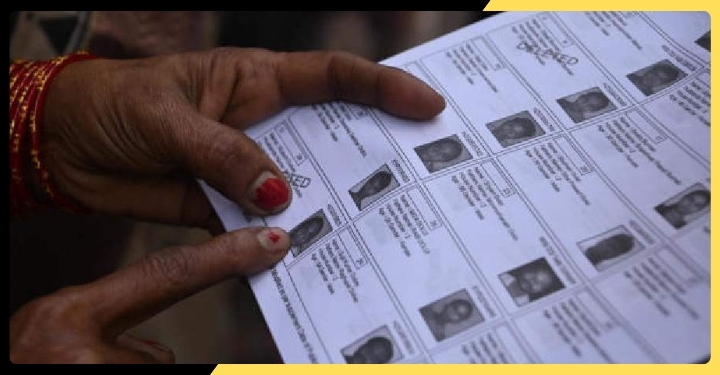
Nandigram finds itself at the center of a growing electoral controversy after data from the SIR supplementary list revealed a striking trend: 95% of deleted voters are reportedly Muslims. The revelation has ignited a debate over the transparency and fairness of the voter list revision process.
The SIR exercise, conducted periodically, aims to remove ineligible names and update voter records. However, the outcome in Nandigram has drawn criticism from multiple quarters. Opposition parties have accused authorities of selectively targeting minority voters, while officials maintain that the process was neutral and rule-based.
One of the key concerns raised by critics is the lack of clarity in how deletions were determined. They argue that without detailed public disclosure of the criteria and methodology, it is difficult to verify the fairness of the process. Calls for greater transparency have become a central demand.
Authorities have responded by reiterating that the revision followed standard procedures. They highlight that individuals whose names were deleted have the option to file claims and objections. However, critics contend that this mechanism is not sufficient, especially if affected individuals are unaware of their deletion or lack the resources to pursue corrective action.
The issue has also sparked discussions about the broader challenges of maintaining accurate voter lists in a diverse and dynamic population. Migration, documentation gaps, and administrative limitations can all contribute to discrepancies. However, ensuring that such factors do not disproportionately impact specific communities is a key challenge.
The political implications of the controversy are significant. With elections approaching, any perception of bias in the electoral process can influence voter confidence and turnout. Parties are likely to use the issue to mobilize support and shape narratives.
Civil society groups have called for an independent review of the deletions to address concerns and prevent further escalation. They stress that maintaining trust in the electoral system is essential for the functioning of democracy.
As the debate continues, the focus remains on finding a resolution that balances administrative efficiency with the rights of voters. The Nandigram case serves as a critical test of the robustness and fairness of electoral processes, with lessons that extend beyond the region itself.
Journalist Details

- Jitendra Kumar is an Indian journalist and social activist from Hathras in Uttar Pradesh is known as the senior journalist and founder of Xpert Times Network Private Limited.
Latest entries
 Latest NewsApril 7, 2026Nandigram SIR List Under Fire: Questions Rise Over Disproportionate Voter Deletions
 NewsApril 4, 2026Inside AAP: Raghav Chadha Rejects Allegations, Raises Questions on Party Unity
 Latest NewsMarch 30, 2026Nitish Kumar Resigns from Bihar Legislative Council Amid Growing Political Buzz
 Latest NewsMarch 28, 2026PM Modi Launches Jewar Airport, Promises Economic Growth and Better Connectivity