
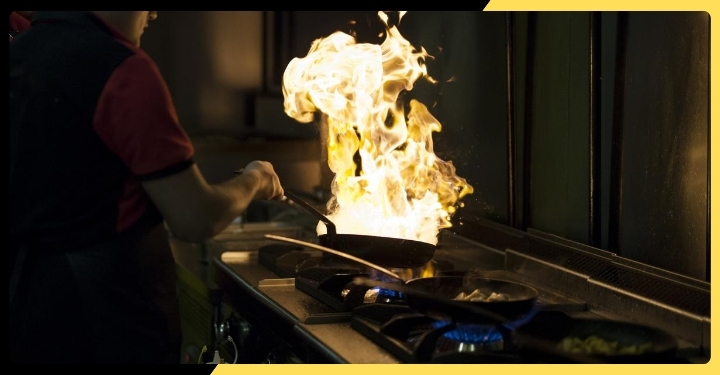
Indian restaurants are taking precautionary steps to shield themselves from potential fuel price volatility as the conflict in West Asia raises concerns about global LPG supply chains.
Although there has been no immediate disruption to LPG availability in India, the hospitality industry is preparing for possible ripple effects if geopolitical tensions escalate further. Restaurants across major cities are adopting strategies ranging from bulk purchasing agreements to energy efficiency upgrades.
For commercial kitchens, LPG is indispensable. It powers stovetops, ovens, tandoors, and a wide range of cooking equipment used daily in restaurants. Any sharp rise in LPG prices can significantly increase operating costs.
“Fuel is a critical input for restaurants,” said a hospitality consultant. “When global energy markets become unstable, restaurants have to quickly find ways to manage that risk.”
One of the most common strategies being adopted is negotiating long-term supply contracts with LPG distributors. Larger restaurant chains are exploring bulk purchasing arrangements that offer more predictable pricing compared to buying cylinders at fluctuating market rates.
Smaller restaurants, meanwhile, are focusing on reducing consumption. Energy audits are becoming increasingly popular as owners seek to understand where gas usage can be optimized.
Simple measures—such as improving kitchen workflow, maintaining burners regularly, and using lids during cooking—can significantly reduce fuel consumption. Some restaurants are also replacing older burners with high-efficiency models that deliver the same heat output while using less LPG.
Technology is also playing a role. Smart kitchen equipment that monitors energy usage in real time is gradually entering the Indian market. Such systems allow restaurant operators to identify inefficiencies and adjust operations accordingly.
Another precautionary measure involves diversifying cooking equipment. Some restaurants are installing induction cooktops or electric ovens that can serve as backups if LPG supplies become constrained or too expensive.
For large restaurant groups, contingency planning has become a priority. Operators are mapping supply chains, identifying alternative vendors, and creating inventory buffers to ensure kitchens remain operational during potential disruptions.
Industry observers say these steps reflect a broader shift toward resilience in the hospitality sector.
“The pandemic taught restaurants the importance of contingency planning,” said a food industry analyst. “Now geopolitical risks are pushing businesses to think about energy security in the same way.”
Despite the uncertainty, most restaurant owners remain optimistic that India’s LPG supply system will remain stable. The country has diversified its energy imports over the years and maintains strategic reserves to cushion short-term disruptions.
Nevertheless, the West Asia conflict has prompted restaurants to rethink how they manage energy—an operational aspect that was often taken for granted in the past.
As global uncertainties continue, the ability to adapt quickly may become a defining trait for India’s restaurant industry. By improving efficiency, diversifying energy sources, and planning ahead, many restaurants hope to stay ahead of potential fuel challenges while keeping their kitchens running smoothly.
Journalist Details

- Jitendra Kumar is an Indian journalist and social activist from Hathras in Uttar Pradesh is known as the senior journalist and founder of Xpert Times Network Private Limited.
Latest entries
 Latest NewsMarch 24, 2026Rajnath Singh Reviews Military Readiness, Focuses on Energy and Maritime Security
 NewsMarch 24, 2026Priyanka Gandhi Urges Government to Break Silence, Seeks Clarity on West Asia Crisis in Parliament
 NewsMarch 23, 2026Rajasthan Experiences Weather Shift with Rainfall, Authorities Urge Caution
 EntertainmentMarch 19, 2026Dhurandhar: The Revenge Review — A Cerebral Spectacle of Ruthless Intensity and Commanding Cinematic Authority
