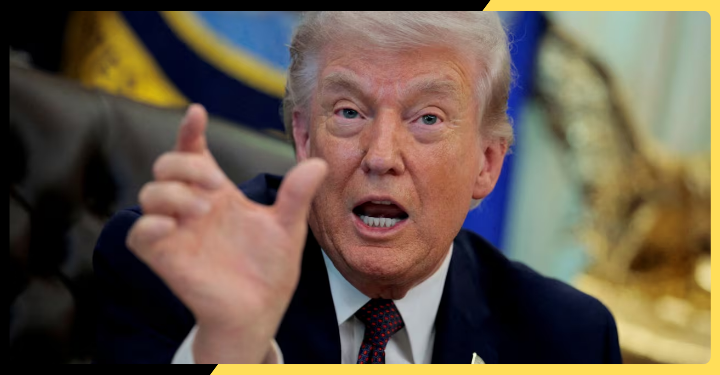
A disagreement over India’s tariff policies has reportedly led to a tense exchange between Donald Trump and Commerce Secretary Howard Lutnick, revealing the complexities that often accompany major trade discussions. The dispute centered on the accuracy of figures used to describe India’s tariff levels and their effect on American exports.
Reports suggest that Trump challenged the data presented during a policy discussion, expressing skepticism about the numbers being used. The former president reportedly questioned whether the figures accurately represented India’s trade practices and suggested that the information did not align with his understanding of the issue.
The incident highlights the broader challenges involved in evaluating international trade relationships. Tariffs are often cited as a key measure of market openness, but they represent only one aspect of a country’s trade policy. Businesses must also navigate regulations, standards, customs procedures, and other requirements that can influence competitiveness.
India’s tariff structure has been a recurring topic in US-India trade discussions. While some sectors have experienced reductions in duties over time, others continue to face relatively high tariff rates. Indian officials argue that these measures are necessary to support domestic industries and economic development goals.
Trump has consistently taken a more confrontational approach toward countries that maintain significant trade barriers. During his time in office, he frequently criticized trading partners for what he viewed as unfair treatment of American businesses. India was often mentioned alongside other nations accused of maintaining restrictive trade practices.
The disagreement with Lutnick appears to reflect differing interpretations of the available data rather than a fundamental disagreement about the importance of trade policy. Such debates are common among policymakers who must evaluate complex economic information and translate it into actionable strategies.
Experts note that tariff calculations can vary depending on the methodology used. Average tariff rates may differ from product-specific rates, and headline figures may not capture exemptions, quotas, or preferential trade arrangements. As a result, policymakers can sometimes reach different conclusions even when reviewing the same underlying information.
The exchange also underscores the political sensitivity of trade issues. Tariffs often become symbolic of broader concerns about economic competitiveness, manufacturing jobs, and national economic security. Leaders therefore tend to scrutinize trade data closely when making policy decisions.
Despite occasional disputes, the United States and India have continued to expand economic cooperation. Bilateral trade has grown substantially, and both countries have identified opportunities to strengthen collaboration in areas such as technology, clean energy, and advanced manufacturing.
Many analysts believe that resolving trade barriers could unlock even greater economic potential. Reducing tariffs and improving market access would likely benefit businesses and consumers in both countries while reinforcing broader strategic ties.
The reported tension between Trump and Lutnick demonstrates how internal policy debates can shape international economic strategy. While disagreements over data may appear technical, they often influence major decisions affecting trade relationships and economic growth. As the United States and India continue to pursue closer ties, discussions about tariffs and market access will remain an important part of the bilateral agenda.
Journalist Details


- Jitendra Kumar is an Indian journalist and social activist from Hathras in Uttar Pradesh is known as the senior journalist and founder of Xpert Times Network Private Limited.
Latest entries