
Alleged Intelligence Leak Sparks Diplomatic Attention
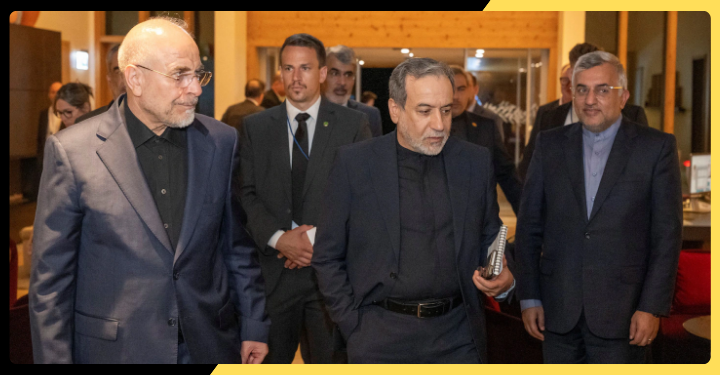
Reports have emerged suggesting that the United States quietly informed Iranian authorities about a possible threat involving Israeli action against senior ceasefire negotiators. The alleged warning, which has not been officially confirmed by Washington, Tehran, or Tel Aviv, has drawn significant attention due to its potential implications for already fragile diplomatic efforts in the Middle East.
According to sources cited in international media coverage, U.S. intelligence agencies identified information indicating that individuals involved in ongoing ceasefire negotiations could be at risk. The United States reportedly chose to pass this information to Iran in an effort to prevent any escalation that could destabilize ongoing talks.
However, the details remain unverified, and officials have not publicly provided evidence supporting the claims.
High-Stakes Diplomacy in a Volatile Region
Ceasefire negotiations in the Middle East have become increasingly sensitive as conflicts continue to affect multiple countries and non-state actors. Mediators often work under difficult conditions, attempting to bridge deep political and ideological divides while maintaining secure communication between hostile parties.
The reported warning underscores the vulnerability of those involved in such negotiations. Even the perception of risk can have a chilling effect on diplomatic engagement, potentially delaying talks or reducing willingness among participants to meet in person.
Diplomatic analysts note that ceasefire mediators are considered essential to preventing escalation, especially in conflicts where direct communication between opposing sides is limited or non-existent.
US–Iran Communication Through Unusual Channels
One of the most notable aspects of the reported incident is the alleged communication between Washington and Tehran. The two countries have had strained relations for decades, marked by sanctions, political disputes, and competing regional interests.
Despite this, limited communication channels have occasionally been used to share urgent security information. Experts say such exchanges are rare but not unprecedented, especially when there is concern about regional stability or humanitarian consequences.
If accurate, the reported warning would highlight how intelligence sharing can temporarily override political tensions when there is perceived risk of broader conflict.
Israel Remains Silent on Claims
Israeli officials have not commented on the allegations. Israel typically avoids addressing reports involving intelligence operations or covert activities, particularly those that are unconfirmed or based on anonymous sources.
Without confirmation, it is impossible to determine whether any operational planning ever existed. Intelligence assessments often evolve and may include preliminary or uncorroborated information.
Security analysts caution that premature conclusions should be avoided, especially when dealing with sensitive geopolitical claims.
Risk to Ongoing Peace Efforts
The reported warning has raised concerns about the stability of ongoing ceasefire negotiations. If individuals involved in mediation feel unsafe, they may limit travel, reduce participation, or delay meetings—all of which could slow diplomatic progress.
Ceasefire talks often depend on trust, secrecy, and physical security. Any disruption to these elements can weaken the negotiating process and reduce the likelihood of achieving sustainable agreements.
Humanitarian organizations have repeatedly stressed that successful negotiations are critical to reducing civilian suffering in conflict zones.
Regional Implications and Strategic Concerns
The Middle East remains a region marked by overlapping conflicts, competing alliances, and periodic military escalation. Any incident involving high-level negotiators could quickly widen tensions and draw in additional actors.
International observers are closely watching developments, particularly because misinterpretations or misinformation could further complicate already delicate diplomatic efforts.
Some analysts believe that even unconfirmed reports like these can influence political decision-making, as governments reassess security risks and adjust diplomatic strategies accordingly.
Calls for Caution and Verification
Global diplomatic communities have emphasized the importance of verifying claims before drawing conclusions. Intelligence-related reports often contain incomplete information that may change over time.
Officials and analysts alike have urged restraint in interpreting the allegations until more concrete evidence is made available.
At the same time, there is broad agreement that protecting negotiators and maintaining open diplomatic channels is essential for preventing further escalation.
Unresolved Questions
Many critical questions remain unanswered: whether a credible threat actually existed, how the intelligence was obtained, and what level of risk was assessed by U.S. agencies.
As governments remain silent or non-committal, the situation continues to be shaped largely by media reporting and anonymous sources.
Despite the uncertainty, the incident highlights the fragile nature of diplomacy in conflict zones, where even unconfirmed intelligence can influence international relations and shape the course of negotiations.
Journalist Details

- Jitendra Kumar is an Indian journalist and social activist from Hathras in Uttar Pradesh is known as the senior journalist and founder of Xpert Times Network Private Limited.
Latest entries
 World NewsSeptember 10, 2026Russian IL-76 Among Three Aircraft Landing at Noida Airport Ahead of Putin’s Visit
 NewsSeptember 9, 2026Strait of Hormuz Becomes Flashpoint as US and Iran Trade Naval Strikes
 Latest NewsSeptember 8, 2026King’s Letter Shocks Sussexes: Why Harry and Meghan’s Royal Future Is Back in Focus
 Latest NewsSeptember 6, 2026Before the Big SIR Cleanup, 11 Lakh Delhi Voters Had Already Disappeared From Electoral Rolls